
Heritage Meets Innovation - Balancing History and Modernity in London's street Design
- Phasezero Design Studio
- Nov 1, 2025
- 3 min read

London's streets are palimpsests—layers of history written in stone, brick, and iron. From medieval alleyways to Victorian thoroughfares to contemporary public spaces, the city's urban fabric tells the story of centuries of human habitation and cultural evolution. Today's most compelling street design challenges lie in honoring this rich heritage while creating spaces that serve the needs of contemporary London. This delicate balance between conservation and innovation defines the cutting edge of luxury urban design.
The Challenge of Heritage Conservation
London's architectural legacy presents both an opportunity and a challenge for contemporary designers. Historic streetscapes must be preserved and celebrated, yet they must also evolve to accommodate modern life—accessibility requirements, sustainable infrastructure, contemporary retail and cultural needs, and the demands of a diverse, multicultural population.
Projects like the Leadenhall Street transformation exemplify how this balance can be achieved. By widening pavements, adding carefully integrated greenery, providing accessible seating, and embedding historical references into street furniture, designers have enhanced the pedestrian experience while respecting the street's historic character. The result is a space that feels both rooted in history and fully alive to contemporary needs.

Regent Street: A Living Example
Regent Street offers perhaps the most instructive example of how new architectural interventions can be thoughtfully inserted into historic streetscapes. Rather than attempting to recreate the past or ignoring it entirely, contemporary designers have introduced innovative, non-intrusive elements that promote retail vitality and cultural engagement while preserving the street's architectural integrity.
This approach recognizes that heritage conservation is not about freezing time but about creating a dynamic dialogue between past and present—allowing historic streets to evolve while maintaining their essential character.
Adaptive Reuse and Industrial Heritage
The Tate Modern's conversion of a former power station into one of the world's most celebrated art museums demonstrates the transformative potential of adaptive reuse. By preserving industrial heritage while introducing modern design interventions, the project created a space that honors the building's history while serving contemporary cultural needs.
This philosophy extends to street-level design, where historic industrial structures, Victorian warehouses, and other heritage buildings are being thoughtfully reimagined for contemporary use—creating vibrant neighborhoods that celebrate their past while embracing their future.
Pedestrianisation and Inclusive Public Realms
Oxford Street's ongoing pedestrianisation plans exemplify how historic commercial thoroughfares can be modernized while maintaining their cultural significance. By developing high-quality, safe, sustainable, and inclusive public spaces, designers are ensuring that these historic streets remain vital centers of commerce and culture for generations to come.
Ecological Design Within Heritage Contexts
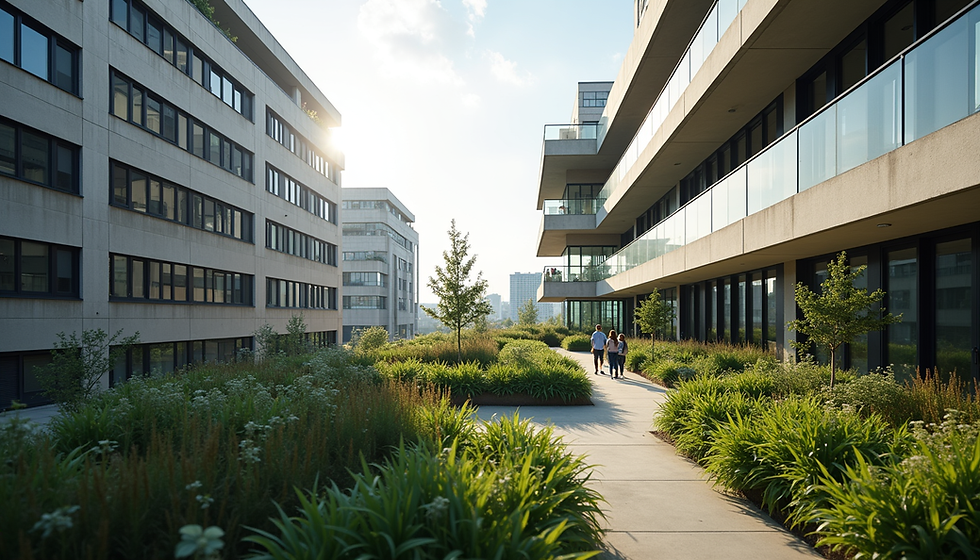
A particularly exciting contemporary trend involves embedding ecological and nature-first principles within heritage settings. Camden's High Street design competition, for instance, shortlisted teams proposing rewilding initiatives, ecological community-building, and nature-rich urban gardens—demonstrating how biodiversity can be integrated into historic urban environments.
This approach recognizes that heritage conservation and environmental responsibility are not competing values but complementary goals. By bringing nature back into historic streetscapes, designers create spaces that are both historically respectful and ecologically vital.
Conclusion
The most compelling contemporary London street design projects demonstrate that heritage conservation and modern innovation are not opposing forces but partners in creating vibrant, livable urban spaces. By approaching historic streetscapes with sensitivity, creativity, and a commitment to inclusive, sustainable design, London's designers are ensuring that the city's rich architectural legacy continues to evolve and thrive. At Phasezero Design, we embrace this philosophy—creating bespoke spaces that honor London's past while embracing its future, where history and innovation coexist in elegant harmony.


Comments