

Sustainable Waterfront Development: Reimagining London's South Bank in Southwark
- Phasezero Design Studio
- Dec 20, 2025
- 2 min read

Updated: May 2
London's South Bank has long been celebrated for its cultural vibrancy, historic landmarks, and riverside energy. As the city faces increasing environmental pressures and urban growth, sustainable waterfront development is becoming central to Southwark's strategy, offering a way to revitalise the area while enhancing resilience, connectivity, and quality of life.
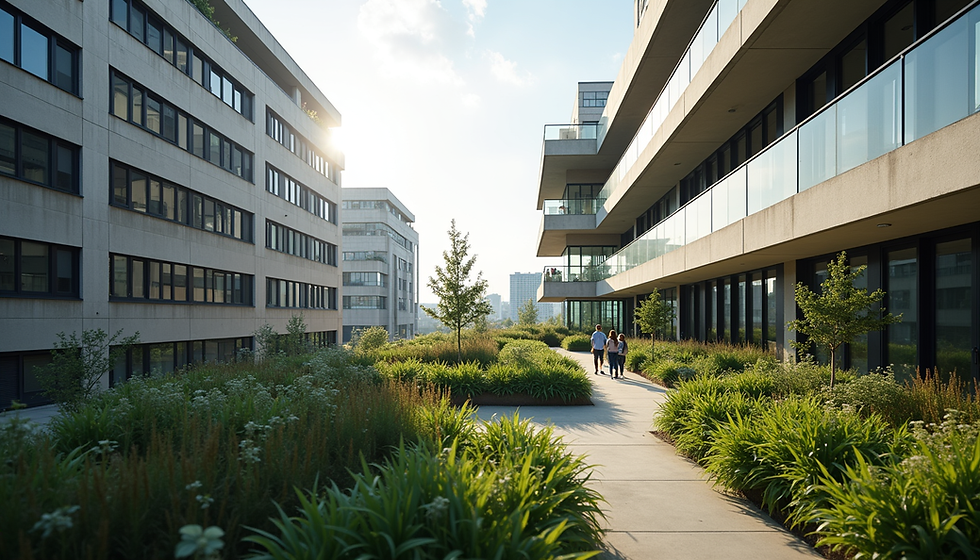
Sustainable development along the South Bank involves more than architectural innovation; it requires a holistic approach that integrates ecology, infrastructure, and community. Riversides provide unique opportunities to mitigate flood risk through naturalised embankments, permeable surfaces, and strategic landscaping. Green corridors along the Thames enhance biodiversity, improve air quality, and create inviting public spaces that encourage recreation and social interaction.
Buildings along the waterfront are increasingly designed with environmental performance in mind. Energy-efficient systems, renewable energy integration, and high-performance façades reduce carbon footprints while improving occupant comfort. Flexible layouts and multifunctional spaces allow structures to adapt to changing urban needs, whether accommodating cultural venues, offices, or mixed-use residential developments.
Connectivity is another key element. Thoughtful urban planning links the South Bank's riverside promenades with surrounding streets, public transport, and cycling networks, creating pedestrian-friendly environments that promote active travel and accessibility. Well-designed public spaces along the water not only support leisure but also foster community engagement, encouraging people to interact with the river and with each other in meaningful ways.
Sustainable waterfront projects also balance heritage with innovation. Southwark's industrial and cultural history informs new developments, preserving character while integrating modern interventions. Adaptive reuse of historic warehouses, sensitive infill, and contemporary design details ensure that development respects the borough's identity while introducing sustainable, forward-looking solutions.
The impact of these strategies extends beyond aesthetics. Resilient waterfront design addresses climate risks, supports urban biodiversity, and provides high-quality public amenities. At the same time, it contributes to social and economic vitality, attracting businesses, cultural institutions, and residents to a more connected and vibrant South Bank.
Reimagining Southwark's waterfront demonstrates how urban development can be both sustainable and inspiring. By combining ecological thinking, resilient infrastructure, and people-focused design, the borough is creating spaces that respond to climate challenges, enhance urban life, and maintain the South Bank's position as one of London's most dynamic and cherished districts.


Comments