

Maximising Small Spaces: Smart Interior Design Solutions For London First-Time Buyers
- Phasezero Design Studio
- Nov 14, 2025
- 5 min read

Updated: Jun 10
London property prices mean that many first-time buyers find themselves in compact flats, studios, or bijou townhouses. While small spaces present unique challenges, they also offer incredible opportunities for creative, intentional design. A well-designed small space can feel larger, more functional, and more beautiful than a poorly planned spacious home. This guide will walk you through proven strategies to transform your London flat into a stylish, comfortable sanctuary that works perfectly for your lifestyle.

Understand Your Space: Layout and Flow
Before you buy a single piece of furniture, spend time understanding your space. Walk through it at different times of day, noting how light moves through the rooms. Identify the natural focal points—a window, a fireplace, an interesting architectural feature. These will anchor your design.
Next, break your space into functional zones. Even in a studio flat, you can create distinct areas for sleeping, living, working, and dining. Use furniture placement, rugs, lighting, or subtle colour changes to define these zones without physically dividing the space. This psychological separation makes small spaces feel larger and more organised.
Avoid the common mistake of pushing all furniture against walls. While this seems logical, it actually makes rooms feel smaller and more cramped. Instead, let some pieces "float" in the space. A sofa angled slightly away from the wall, a desk positioned to face a window, or a bookcase creating a subtle room divider can improve flow and make your space feel more intentional and spacious.
Choose Furniture Strategically: Multi-Function is Your Friend
In a small space, every piece of furniture must earn its place. Invest in multi-functional items that serve multiple purposes. A sofa bed provides seating and sleeping space. An ottoman with hidden storage offers a footrest, extra seating, and a place to stash blankets or books. An extendable dining table expands when you have guests and contracts when you need floor space.
Look for furniture with a minimalist profile—pieces with slender legs, open bases, and clean lines create the illusion of more space. Avoid bulky, solid furniture that visually weighs down a room. Glass or transparent furniture, like a glass coffee table or acrylic chair, maintains sightlines and prevents the space from feeling cluttered.
Consider bespoke or custom-built furniture for awkward corners and unusual layouts. Many London flats have quirky shapes, sloped ceilings, or alcoves. Custom joinery can transform these challenges into assets, creating storage and seating that fits perfectly and maximises every inch.
Reach for the Sky: Utilise Vertical Space
When floor space is limited, think vertically. Tall bookcases, floating shelves, and wall-mounted storage units draw the eye upward and create the impression of height. Install shelves above doorways, around windows, and in corners to display books, plants, and decorative objects.
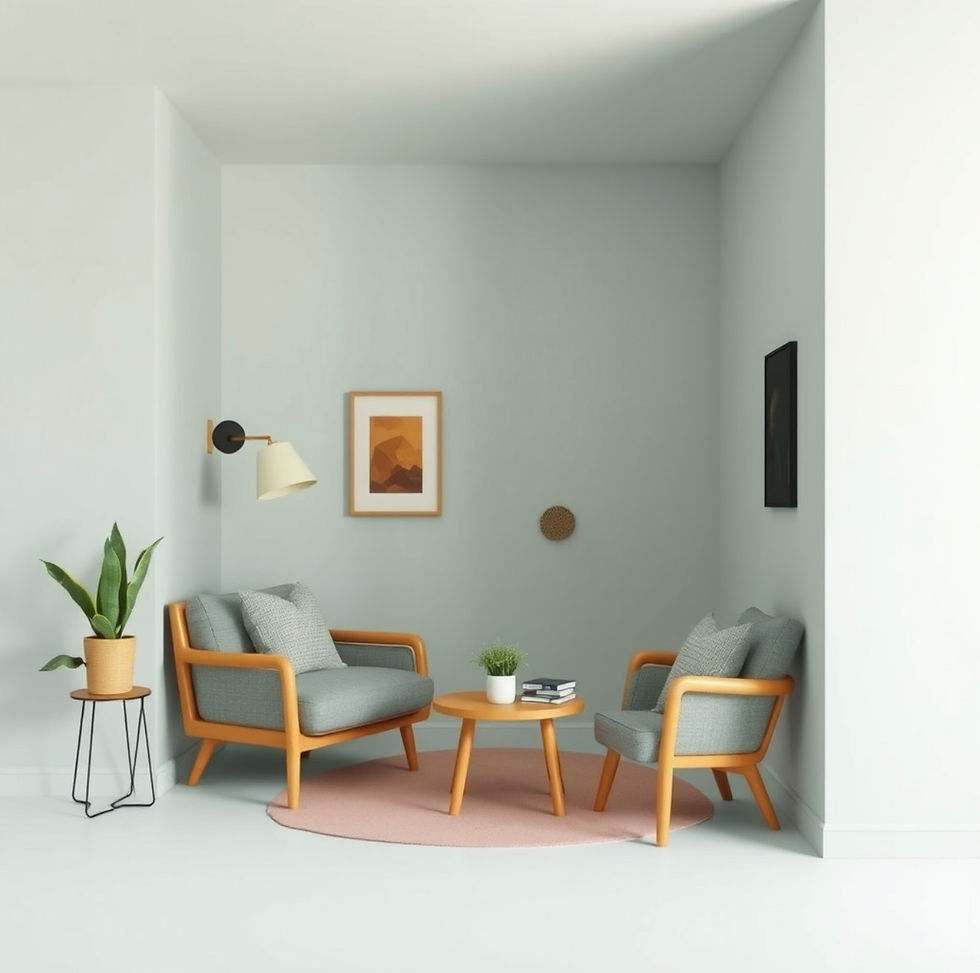
Wall-mounted lights and sconces save floor space while adding ambient lighting. A tall, narrow bookcase takes up less floor area than a wide, squat one but provides the same storage. Hanging plants from the ceiling or wall-mounted planters add greenery without consuming precious surface area.
The key is keeping walls visually interesting without overwhelming the space. A gallery wall of artwork, a collection of floating shelves with carefully curated objects, or a living wall of plants can become a stunning focal point that draws attention upward and makes the room feel taller.
Light and Colour: Creating Spaciousness
Colour and light are your most powerful tools for making a small space feel larger. Light, neutral colours on walls—soft whites, warm creams, pale greys—reflect light and create an airy feeling. These colours also provide a versatile backdrop for furniture and accessories.
That said, a small space doesn't need to be boring. Choose a cohesive colour palette of two or three complementary colours and use them throughout your home. Perhaps warm white walls with accents of sage green and terracotta, or soft grey with navy and brass. This creates visual continuity and prevents the space from feeling chaotic.
Mirrors are small space magic. Position a large mirror opposite a window to reflect natural light and create the illusion of depth. Mirrored furniture or accessories amplify this effect. Layered lighting—combining natural light, ambient overhead lighting, and task lighting—makes the space feel larger and more inviting at different times of day.
Storage Solutions: Hide the Clutter
Clutter is the enemy of small spaces. Every item visible on a surface makes the room feel smaller and more chaotic. Invest in smart storage solutions that keep belongings organised and out of sight.
Under-bed storage containers hold seasonal clothing, extra bedding, and items you don't use daily. Stackable, transparent containers let you see contents without opening them. Built-in wardrobes with internal organisation systems maximise every inch. Floating shelves with baskets or boxes provide storage that's both functional and decorative.
Make use of every nook and cranny. That awkward corner under the stairs? Perfect for a small bookcase or storage cubbies. The space above your toilet? Install shelves for towels and toiletries. Unused wall space? Add hooks for bags, coats, and accessories.
The golden rule: keep surfaces clear. A cluttered desk, bedside table, or kitchen counter makes a small space feel chaotic. Designate homes for everything and put items away regularly. This simple habit makes an enormous difference in how spacious your home feels.
Personalise Without Overcrowding
Small spaces require restraint, but that doesn't mean sacrificing personality. Choose a few meaningful pieces—artwork you love, a treasured photograph, a plant that brings you joy—and display them thoughtfully. A single statement piece, like a bold piece of art or a sculptural object, can define a room's character without cluttering it.
Rotate seasonal decorations and accessories to keep your space feeling fresh without accumulating permanent clutter. This approach lets you express different aspects of your personality throughout the year while maintaining a calm, organised environment.
Adapt as You Grow: Modular and Flexible Furniture
As a first-time buyer, your needs will evolve. You might start in a studio and eventually move to a one-bedroom flat. Modular furniture that adapts to changing circumstances is invaluable. Modular sofas can be reconfigured, storage units can be added to or removed, and flexible furniture systems grow with you.
This approach is also more sustainable—you're not replacing furniture as your life changes; you're adapting what you have.
Consider Professional Help
If you're struggling to envision how to make your space work, don't hesitate to consult with an interior designer or architectural designer. Many professionals specialise in small space design and can offer solutions you might not have considered. Some developers even showcase small flats with professionally curated interiors—visiting these show apartments can provide inspiration and practical ideas.
Conclusion
Living in a small London space is an opportunity to be intentional, creative, and resourceful with your design choices. By understanding your layout, choosing multi-functional furniture, utilising vertical space, playing with light and colour, and maintaining smart storage systems, you can create a home that feels spacious, beautiful, and perfectly suited to your lifestyle. Remember, the best small space design is one that works for you—your routines, your style, and your needs. With these strategies in place, your compact flat will become a stylish sanctuary you genuinely love coming home to.


Comments