

Sustainable Style: Blending Functionality with Personal Design Vision
- Phasezero Design Studio
- Jan 20
- 3 min read

Updated: May 21
Sustainability in interior design is no longer a niche concern—it's a fundamental approach to creating homes that are beautiful, functional, and responsible. For first-time homeowners, embracing sustainable design principles doesn't mean sacrificing style or personal expression. Instead, it means making intentional choices that reflect both your values and your aesthetic vision. The result is a home that feels authentic, timeless, and aligned with who you are.
Understanding Sustainable Design Principles
Sustainable design is built on three core principles: durability, functionality, and environmental responsibility. Durable pieces last longer, reducing the need for replacement and waste. Functional design ensures every element serves a purpose, eliminating unnecessary clutter. Environmental responsibility means considering the lifecycle of materials—where they come from, how they're produced, and what happens when they're no longer needed.
These principles work together to create homes that are not only beautiful but also meaningful. A sustainably designed space reflects thoughtful decision-making and values-driven choices, creating an environment that supports both your lifestyle and your conscience.
Choosing Natural and Reclaimed Materials
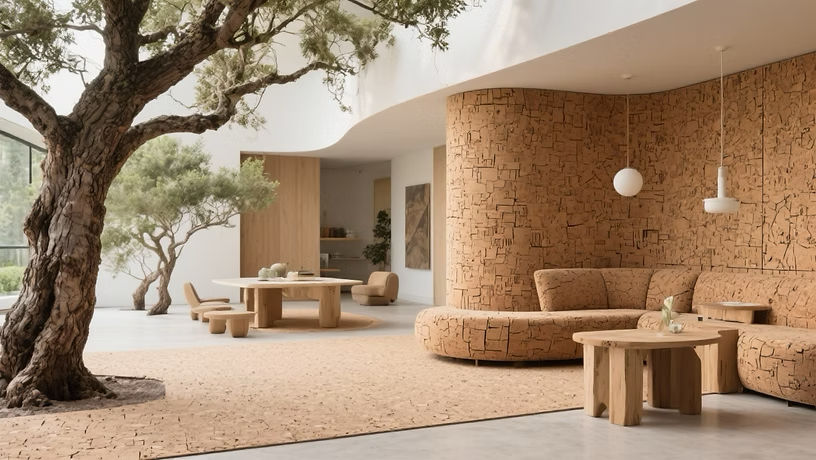
Natural materials—wood, stone, linen, wool, and ceramic—are inherently sustainable and create warmth and authenticity in your home. These materials age beautifully, developing character over time rather than showing wear. A reclaimed wood dining table or vintage stone countertop tells a story and reduces demand for new resource extraction.
Reclaimed and vintage pieces offer another sustainability advantage: they're unique. Rather than mass-produced furniture, you're selecting items with history and character. This approach supports circular economy principles while creating a home that feels distinctly personal. Sourcing from consignment shops, antique markets, and online platforms makes sustainable design accessible and budget-friendly.
Biophilic Design: Bringing Nature Indoors
Biophilic design—incorporating natural elements and patterns into interior spaces—is both sustainable and deeply human. Living plants, natural light, water features, and organic shapes create spaces that feel alive and connected to nature. Beyond aesthetics, biophilic design improves air quality, reduces stress, and creates psychological comfort.
Start small with potted plants in different rooms. A snake plant in your bedroom improves air quality while requiring minimal care. A living wall in your entryway creates a striking focal point while purifying air. Natural light through windows, skylights, or glass doors connects interior spaces to the outdoor environment. These elements work together to create homes that feel fresh, vibrant, and aligned with natural rhythms.
Quality Over Quantity: The Timeless Approach
Sustainable design prioritizes quality over quantity. Rather than filling your home with inexpensive, trendy pieces that quickly become dated, invest in fewer, higher-quality items that will last decades. A well-made sofa, solid wood dining table, or quality lighting fixture becomes more valuable over time, both financially and emotionally.
This approach also reduces decision fatigue and creates visual calm. A thoughtfully curated home with fewer, intentional pieces feels more spacious and peaceful than one crowded with unnecessary items. Each piece should earn its place through beauty, functionality, or both.
Sustainable Color and Material Palettes
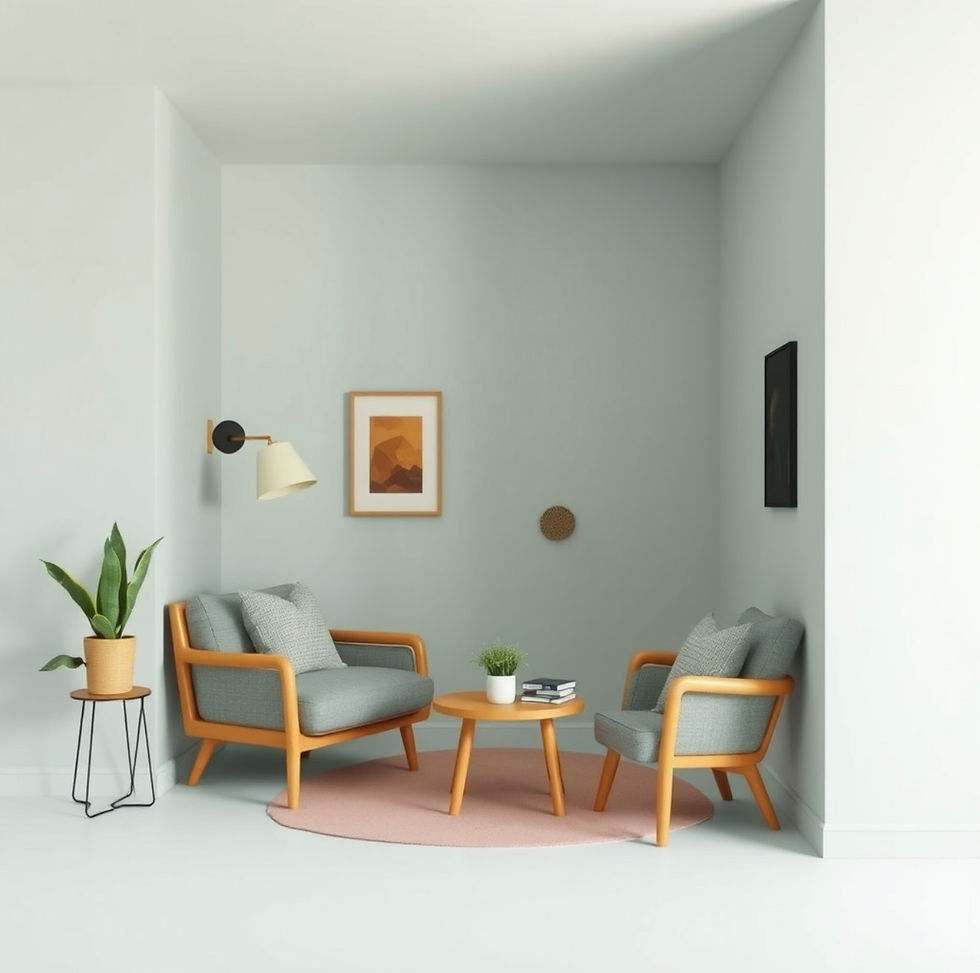
Warm, earthy color palettes naturally align with sustainable design. Soft rose, sage green, terracotta, and warm neutrals echo natural materials and create psychological comfort. These colors pair beautifully with sustainable materials like reclaimed wood, natural stone, and organic textiles.
When selecting materials, look for certifications indicating sustainable sourcing: FSC-certified wood, organic cotton, recycled metals, and low-VOC paints. These choices ensure your home is not only beautiful but also produced responsibly. The combination of sustainable materials and nature-inspired colors creates spaces that feel authentic and aligned with contemporary values.
Blending Sustainability with Personal Style
The beauty of sustainable design is that it doesn't require sacrificing personal style. Whether you prefer minimalist aesthetics, maximalist expression, traditional elegance, or contemporary boldness, sustainable principles can be applied. The difference is intentionality—every choice reflects both your values and your vision.
A minimalist might choose a few high-quality, sustainably sourced pieces in a neutral palette. A maximalist might layer vintage finds, natural materials, and bold colors while maintaining sustainability through quality and durability. The approach is flexible; the principle remains constant: design with intention and responsibility.
The PHASEZERO Commitment: Design with Purpose
At PHASEZERO Design Studio, we believe sustainable design is inseparable from good design. Creating calm, contemporary spaces with clarity and craftsmanship means considering environmental impact, material quality, and long-term value. Our approach emphasizes natural elegance, timeless aesthetics, and responsible choices.
As a first-time homeowner, you have the opportunity to establish design habits that will serve you for decades. By prioritizing sustainability, quality, and personal expression, you create a home that's not only beautiful today but also meaningful for years to come. Start with one intentional choice—a sustainably sourced piece, a living plant, or a natural material—and build from there. Your home will reflect your values while becoming a true sanctuary.

Comments