

Net-Zero Energy Buildings - Designing Spaces That Generate Their Own Power
- Phasezero Design Studio
- Nov 14, 2025
- 3 min read

Updated: May 8
Net-Zero Energy Buildings: Creating Spaces That Produce as Much Energy as They Consume
Imagine a building that generates as much energy as it consumes, leaving no net carbon footprint from its operational energy use. This is no longer a distant dream but an increasingly achievable reality through net-zero energy building design. For architects and designers committed to sustainability, net-zero energy buildings represent the pinnacle of responsible design practice.
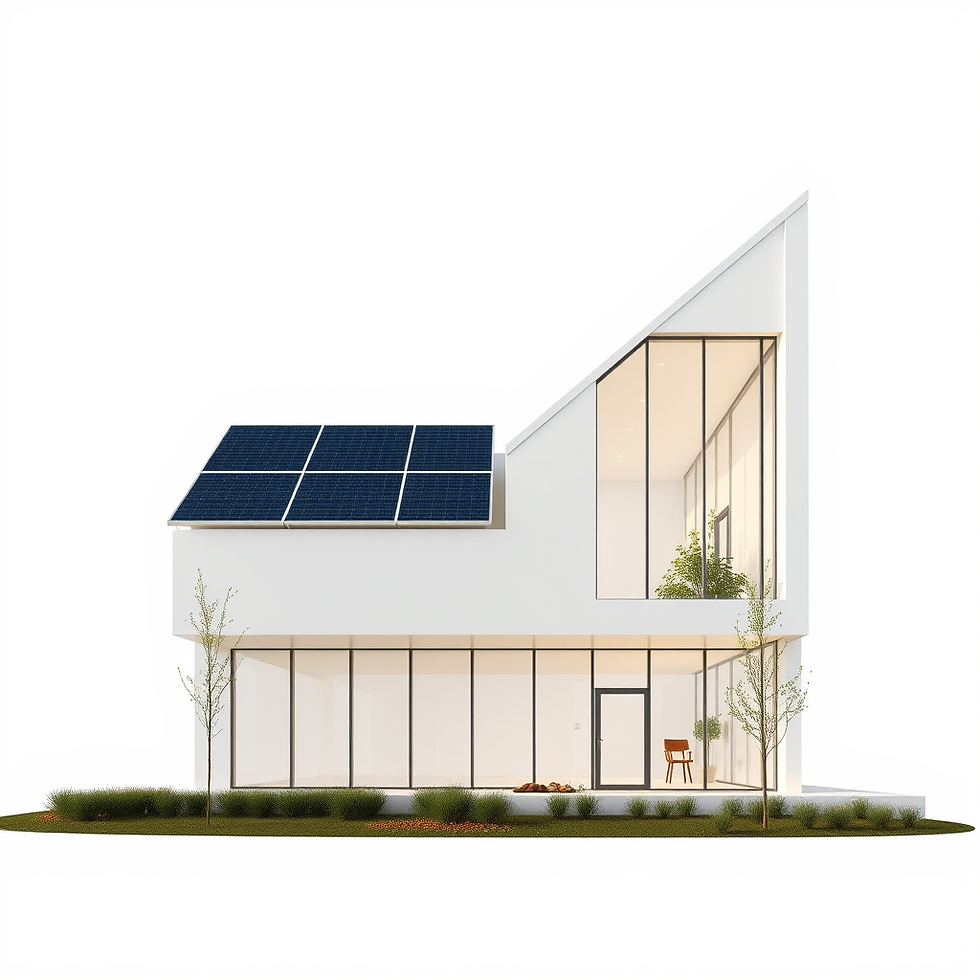
A net-zero energy building (NZEB) is one that produces as much renewable energy as it consumes over a year, resulting in zero net energy consumption from the grid. This ambitious goal requires a holistic approach combining exceptional energy efficiency, intelligent design, and integrated renewable energy systems. The journey to net-zero involves multiple interconnected strategies working in concert.
The foundation of any net-zero building is exceptional energy efficiency. This begins with the building envelope—the walls, roof, and windows that separate interior from exterior. Superior insulation, high-performance windows with low U-values, and airtight construction dramatically reduce heating and cooling demands. Passive design principles play a crucial role here. Strategic window placement maximises natural light and passive solar gain during winter whilst minimising unwanted heat gain in summer. Thermal mass, such as exposed concrete or masonry, absorbs heat during the day and releases it at night, moderating temperature fluctuations naturally.
Natural ventilation strategies reduce reliance on mechanical systems. Cross-ventilation, stack effect ventilation, and operable windows allow fresh air circulation whilst maintaining thermal comfort. When mechanical ventilation is necessary, heat recovery ventilation systems capture warmth from outgoing air and transfer it to incoming fresh air, minimising energy loss.
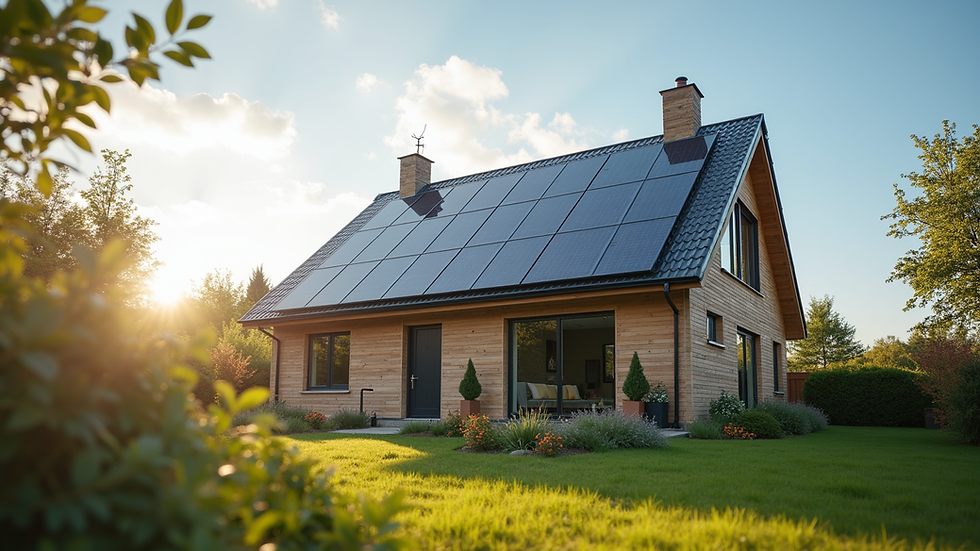
Once energy demand has been minimised through efficiency measures, renewable energy systems meet the remaining needs. Solar photovoltaic (PV) panels are the most common choice, converting sunlight directly into electricity. Modern building-integrated photovoltaics (BIPV) seamlessly incorporate solar technology into building facades, roofs, and even windows, eliminating the visual distinction between energy generation and architectural design. For buildings with suitable conditions, solar thermal systems provide hot water and space heating.
Energy storage is increasingly critical to net-zero performance. Battery systems store excess solar energy generated during the day for use during evening and night hours. This storage capacity ensures consistent energy availability regardless of weather or time of day. Smart energy management systems optimise the flow of energy throughout the building, prioritising renewable sources and managing demand intelligently.
The interior design implications of net-zero buildings are significant. Designers must consider how mechanical systems, solar panels, and energy storage integrate with aesthetic goals. Exposed thermal mass can become a design feature rather than a hidden element. Solar panels can be incorporated into architectural expression rather than hidden away. Energy-efficient lighting systems using LEDs can be designed to enhance ambiance whilst minimising consumption.
Occupant behaviour profoundly influences net-zero performance. Design must encourage energy-conscious habits through intuitive controls, real-time energy feedback, and spaces that naturally promote efficiency. For example, positioning workstations near windows encourages natural light use and reduces artificial lighting demand. Thermal comfort achieved through passive means creates spaces where occupants feel comfortable without excessive heating or cooling.
The financial case for net-zero buildings has strengthened considerably. Whilst initial capital costs are higher than conventional construction, operational savings accumulate rapidly. Buildings with zero energy bills, reduced maintenance costs, and improved resilience to energy price fluctuations demonstrate superior long-term value. Additionally, net-zero buildings command premium rental rates and resale values, reflecting their superior performance and reduced operating costs.
Regulatory momentum is accelerating net-zero adoption. Many jurisdictions now mandate net-zero performance for new buildings, and retrofit standards increasingly require existing buildings to achieve net-zero status. This regulatory environment makes net-zero design not merely an option but an essential competency for contemporary designers.
At Phasezero Design Studio, net-zero energy buildings exemplify our commitment to bespoke design for a sustainable future. By integrating efficiency, renewable energy, and intelligent design, we create spaces that are not only beautiful and functional but genuinely regenerative. Net-zero buildings represent the future of responsible architecture, and we are proud to be at the forefront of this transformation.

Comments