
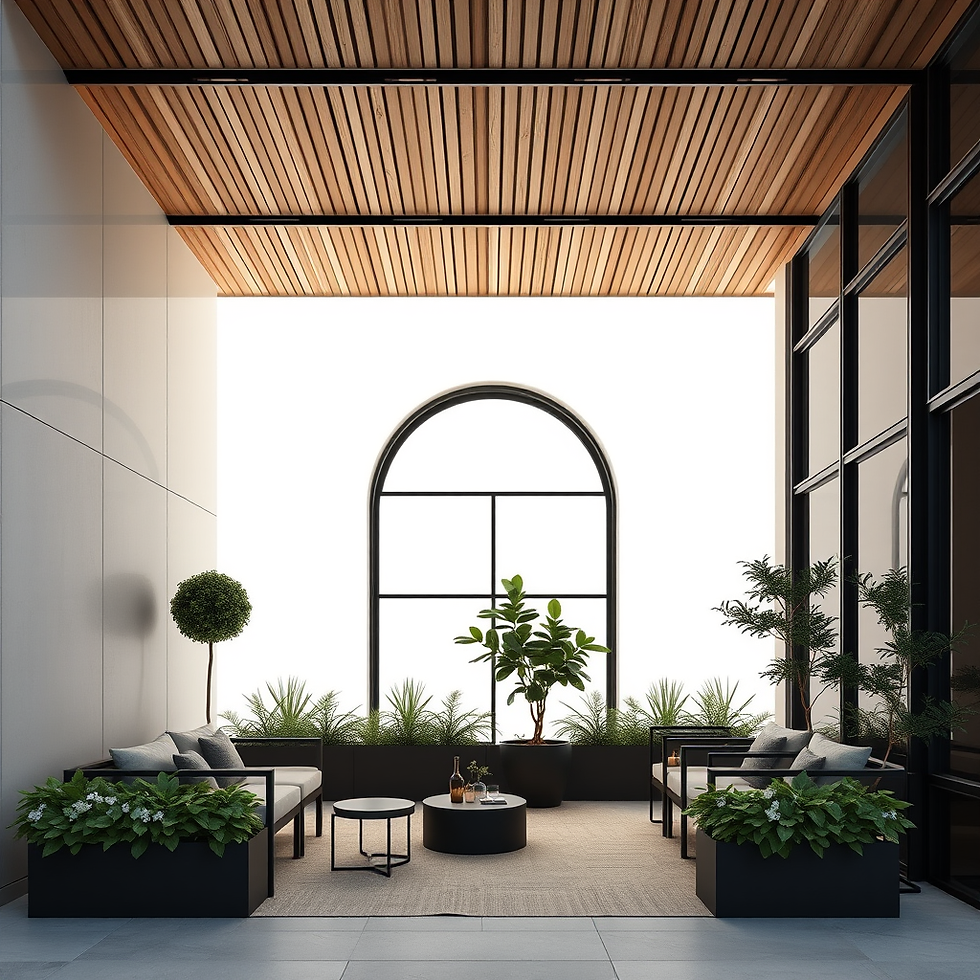
Sustainable Luxury Meets Urban Design: How London Is Redefining Street Spaces
- Phasezero Design Studio
- Nov 14, 2025
- 2 min read

Updated: May 4
London's luxury street design landscape is undergoing a profound transformation. Gone are the days when high-end urban spaces prioritized aesthetics alone. Today's most prestigious developments are setting new standards by seamlessly blending luxury with sustainability, creating streetscapes that are as environmentally responsible as they are visually stunning. For design-conscious Londoners and businesses seeking to invest in their urban environments, understanding this shift is essential.

The Rise of Sustainable Materials in Luxury Streetscapes
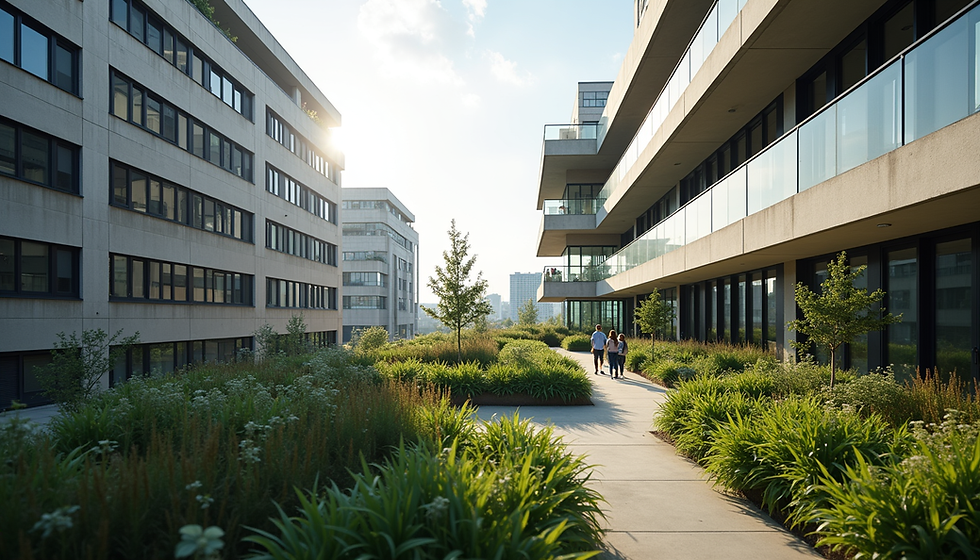
The foundation of modern luxury street design lies in material selection. Leading London developments now embrace recycled steel, reclaimed brick, and low-carbon concrete—materials that reduce environmental impact without compromising on elegance. Green infrastructure has become a hallmark of premium projects, with living walls, green roofs, and urban biodiversity initiatives transforming ordinary streets into thriving ecosystems.
These sustainable choices serve a dual purpose: they enhance air quality and support local wildlife while creating distinctive, characterful spaces that appeal to environmentally conscious residents and visitors. The result is a streetscape that feels both luxurious and responsible—a powerful statement about values in contemporary urban design.
Pedestrian-First Design Philosophy
London's most celebrated street transformations prioritize people over vehicles. The Central London Walking Network exemplifies this shift, reclaiming road space to create low-traffic, less polluted environments. High-quality paving, thoughtfully curated street furniture, and abundant greenery combine to encourage walking and active lifestyles.
This pedestrian-centric approach doesn't diminish luxury; it enhances it. Wide, uncluttered pavements lined with premium materials and carefully positioned seating create intimate, inviting spaces where people naturally want to linger. It's a sophisticated approach to urban design that recognizes true luxury is about quality of life.
Circular Design and Heritage Respect
Luxury London street design increasingly embraces circular economy principles. Rather than demolishing and rebuilding, architects are adapting existing structures and salvaging materials to minimize waste. This approach respects London's rich architectural heritage while meeting contemporary sustainability standards.
Adaptive reuse projects demonstrate that heritage and innovation are not opposing forces. By blending old and new, designers create unique, characterful spaces that tell London's story while pointing toward a more sustainable future.
Conclusion
The evolution of luxury London street design reflects a broader cultural shift toward responsible consumption and environmental stewardship. For businesses and property owners, this presents an opportunity: investing in sustainable, well-designed streetscapes is not just ethically sound—it's increasingly recognized as a marker of true luxury and forward-thinking vision.


Comments