
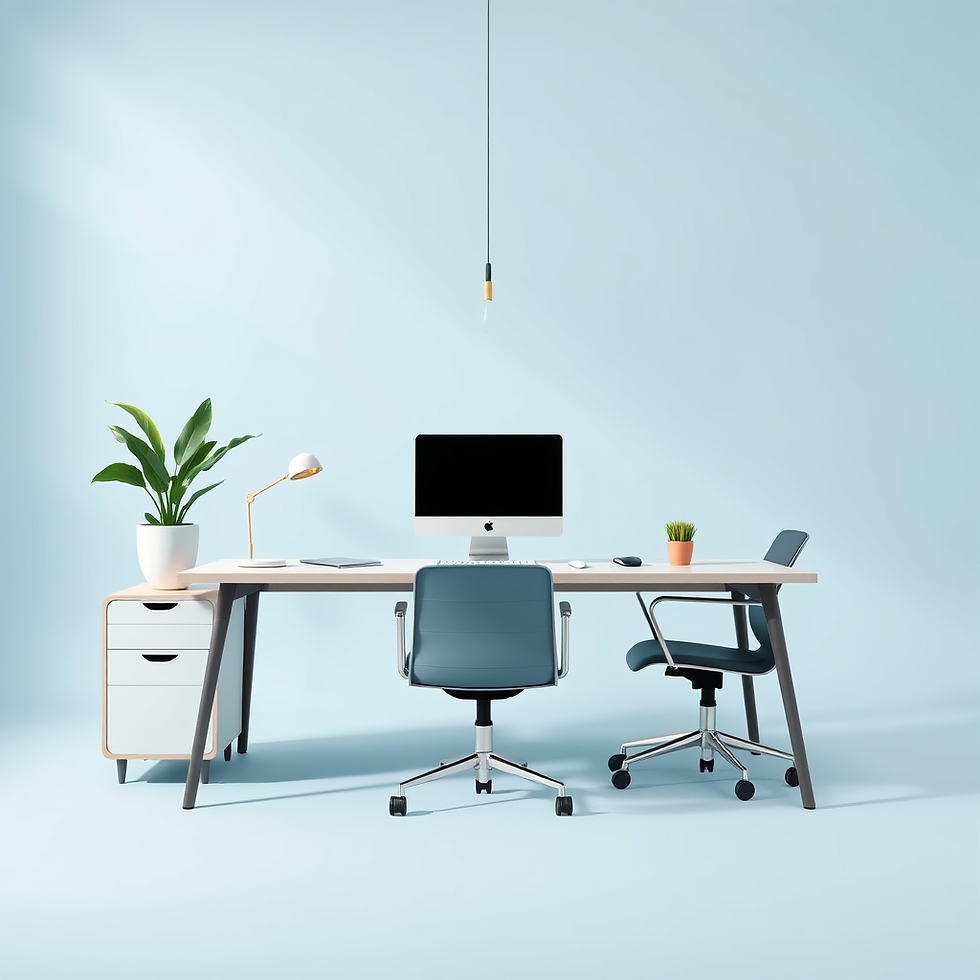
The Neurodivergent Workplace: Creating Flexible, Inclusive Interiors That Support Diverse Cognitive Needs
- Phasezero Design Studio
- Dec 16, 2025
- 4 min read

Updated: May 3
The modern workplace is evolving. As organizations increasingly recognize neurodiversity as a source of innovation and strength, they are reimagining office environments to support employees with autism, ADHD, dyslexia, and other neurological differences. Yet many workplaces remain designed for a narrow cognitive profile, inadvertently creating barriers for neurodivergent employees. At PHASEZERO Design Studio, we believe that inclusive workplace design—featuring flexible spaces, sensory control, and cognitive accessibility—benefits all employees while unlocking the full potential of neurodivergent talent.
Understanding Neurodiversity in the Workplace
Neurodivergent individuals bring distinctive cognitive strengths: pattern recognition, creative problem-solving, attention to detail, and unique perspectives. However, traditional office environments often undermine these strengths. Open-plan layouts create sensory overload. Rigid schedules conflict with ADHD time management challenges. Fluorescent lighting triggers migraines. Constant interruptions disrupt deep focus. The result is that many neurodivergent employees underperform not due to lack of capability, but because their environment actively works against their cognitive needs. Thoughtful interior design can transform this dynamic, creating workplaces where neurodivergent employees thrive.
Key Design Principles for Neurodivergent-Friendly Workplaces
Creating inclusive workplace interiors requires integrating multiple design strategies:
1. Flexible Spatial Options
One-size-fits-all office design fails neurodivergent employees. Effective workplaces offer diverse spatial options:
Quiet Focus Zones: Dedicated spaces with acoustic insulation, minimal visual stimulation, and no interruptions support deep work. These spaces are essential for neurodivergent employees managing sensory sensitivity or requiring sustained concentration.
Collaborative Spaces: Open areas designed for teamwork and communication serve employees who thrive in interactive environments. Importantly, these should be separate from quiet zones to prevent sensory conflict.
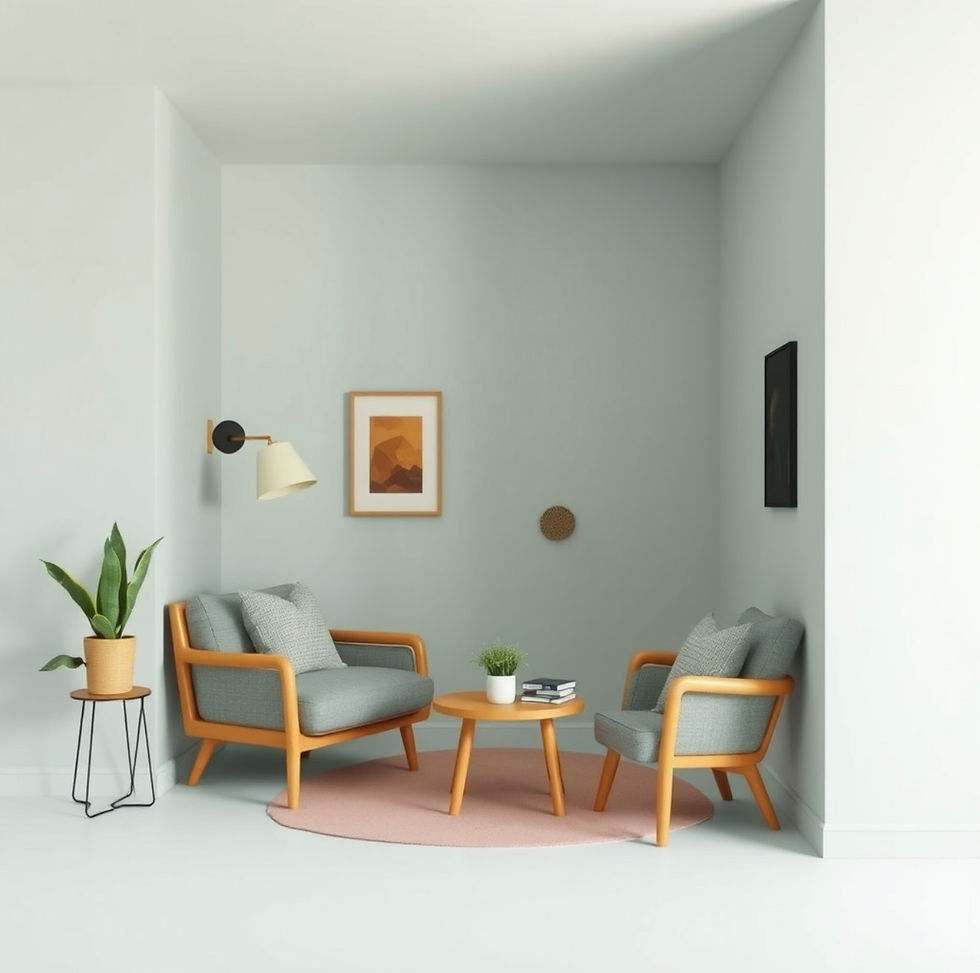
Transition Zones: Semi-private spaces between quiet and collaborative areas allow employees to regulate sensory input and transition between different work modes.
Movement Spaces: Areas supporting physical activity—standing desks, walking paths, movement breaks—accommodate ADHD employees who require kinesthetic input for focus and regulation.
2. Sensory Control and Customization
Neurodivergent employees often have heightened sensory sensitivities. Workplaces should provide control over environmental factors:
Lighting Control: Dimmable, warm-toned LED lighting allows employees to adjust illumination to their preferences. Avoiding harsh fluorescents reduces headaches and anxiety.
Acoustic Management: Sound-absorbing materials, white noise systems, and quiet zones reduce auditory overwhelm. Providing noise-canceling headphones as standard equipment supports neurodivergent employees.
Temperature Flexibility: Allowing employees to adjust personal workspace temperature accommodates sensory sensitivities and thermoregulation challenges common in neurodivergent populations.
Visual Simplicity: Reducing visual clutter through clean lines, neutral color palettes, and organized storage minimizes cognitive load and visual overwhelm.
3. Clear Wayfinding and Spatial Organization
Neurodivergent employees often struggle with spatial orientation and executive function. Clear workplace organization supports independence:
Intuitive Layout: Organizing departments logically and using consistent signage reduces navigation anxiety and cognitive load.
Color Coding: Using distinct colors for different zones or departments provides immediate visual orientation.
Visual Landmarks: Distinctive architectural features or art installations serve as cognitive anchors, helping employees navigate and remember locations.
Clear Signage: Using simple language, high contrast, and pictorial symbols ensures information accessibility for diverse cognitive profiles.
4. Flexibility in Work Arrangements
Interior design should support flexible work arrangements that accommodate neurodivergent needs:
Adjustable Workstations: Providing standing desks, ergonomic seating, and customizable workspace layouts accommodates diverse physical and sensory needs.
Remote Work Support: Designing spaces that support hybrid work—including video conferencing facilities and secure quiet zones—accommodates employees who work partially remotely.
Flexible Scheduling Spaces: Providing spaces for employees working non-traditional hours ensures neurodivergent employees aren't forced into rigid schedules that conflict with their cognitive patterns.
Case Study: Designing for Neurodivergent Excellence
Consider a technology company seeking to attract and retain neurodivergent talent. Traditional open-plan design would undermine their goals. Instead, a neurodivergent-friendly workplace might feature: dedicated quiet focus zones with acoustic insulation and warm lighting; collaborative spaces separated from quiet areas; flexible workstations supporting standing, sitting, and movement; clear wayfinding with color coding and intuitive layout; and sensory-controlled environments with adjustable lighting and temperature. The result is a workplace where neurodivergent employees can leverage their cognitive strengths while managing sensory and executive function challenges. Productivity increases, retention improves, and the organization benefits from diverse perspectives and talents.
The Business Case for Inclusive Workplace Design
Inclusive workplace design is not merely an ethical imperative—it is a business advantage. Neurodivergent employees bring distinctive cognitive strengths: pattern recognition, creative problem-solving, attention to detail, and unique perspectives. When workplaces are designed to support these strengths while accommodating challenges, neurodivergent employees perform at their best. Organizations benefit from improved productivity, reduced turnover, enhanced innovation, and access to a broader talent pool. Moreover, the 'cognitive curb-cut' effect means that design accommodations for neurodivergent employees improve experiences for all workers. Quiet focus zones benefit stressed employees. Flexible spatial options support diverse work styles. Clear wayfinding reduces cognitive load for everyone.
Moving Forward: Neurodiversity as Design Imperative
At PHASEZERO Design Studio, we recognize that workplace design is fundamentally about supporting human flourishing. By creating flexible, sensory-controlled, cognitively accessible interiors, we enable neurodivergent employees to thrive. We involve neurodivergent employees in design processes, ensuring that spaces genuinely meet their needs. The result is workplaces that are not only more inclusive but more innovative, productive, and humane. As organizations increasingly embrace neurodiversity, thoughtful interior design becomes a competitive advantage and a marker of forward-thinking leadership. The neurodivergent workplace is not a niche consideration—it is the future of work.


Comments