

Universal Design Principles: Creating Spaces That Work For Everyone, Including Neurodivergent Individuals
- Phasezero Design Studio
- Nov 14, 2025
- 4 min read

Updated: May 7
Universal design is a philosophy that goes beyond accessibility—it creates environments and products that are inherently usable by people with diverse abilities, ages, and neurotypes. Rather than designing for an imagined "average" user and then retrofitting accommodations, universal design considers human diversity from the outset. This approach benefits neurodivergent individuals while creating more intuitive, comfortable spaces for everyone. This article explores universal design principles and their application to creating truly inclusive environments.

What is Universal Design?
Universal design is based on the premise that good design benefits everyone. A curb cut, originally designed to accommodate wheelchair users, is now used by parents with strollers, delivery workers, and travelers with luggage. Similarly, captions on videos, originally created for deaf viewers, benefit people in noisy environments, non-native speakers, and those learning new concepts. Universal design recognizes that human diversity is the norm, not the exception, and that designing for this diversity creates better solutions for all.
The Seven Principles of Universal Design
Equitable Use means the design is useful and marketable to people with diverse abilities. Rather than creating separate, stigmatized accommodations, universal design integrates accessibility into the core design. For neurodivergent individuals, this means spaces and systems are designed to accommodate sensory sensitivities, cognitive differences, and diverse communication styles as standard features, not afterthoughts.
Flexibility in Use allows the design to accommodate a wide range of individual preferences and abilities. Adjustable lighting, customizable layouts, multiple communication options, and flexible pacing support diverse neurotypes. A well-designed space allows both introverted and extroverted individuals, those who need quiet focus and those who thrive with background activity, to find what they need.
Simple and Intuitive Use means the design is easy to understand regardless of the user's experience, knowledge, language skills, or current concentration level. Clear signage, consistent layouts, straightforward navigation, and minimal cognitive load support neurodivergent individuals who may process information differently. Simplicity benefits everyone—it reduces stress and increases efficiency.
Perceptible Information ensures that necessary information is communicated effectively to users with diverse sensory abilities. Providing information through multiple channels—visual, auditory, and tactile—supports people with different sensory preferences and abilities. For example, offering both written instructions and visual diagrams, or combining text with icons, ensures information is accessible to diverse users.
Tolerance for Error means the design minimizes hazards and the adverse consequences of accidental or unintended actions. Clear warnings, forgiving interfaces, and recovery options support users who may make mistakes due to cognitive differences or sensory processing variations. A well-designed space anticipates potential errors and makes them easy to correct.
Low Physical Effort ensures the design can be used efficiently and comfortably with minimal fatigue. Ergonomic furniture, accessible storage, and intuitive controls reduce physical strain. For neurodivergent individuals who may experience fatigue from sensory processing or executive function challenges, reducing unnecessary physical effort is particularly important.
Size and Space for Approach and Use means the design accommodates users of varying body sizes and mobility needs. Adequate space for movement, adjustable-height furniture, and multiple pathways support diverse physical needs. This principle also applies to cognitive space—allowing room for different working styles, movement needs, and sensory regulation strategies.
Applying Universal Design to Interior Spaces
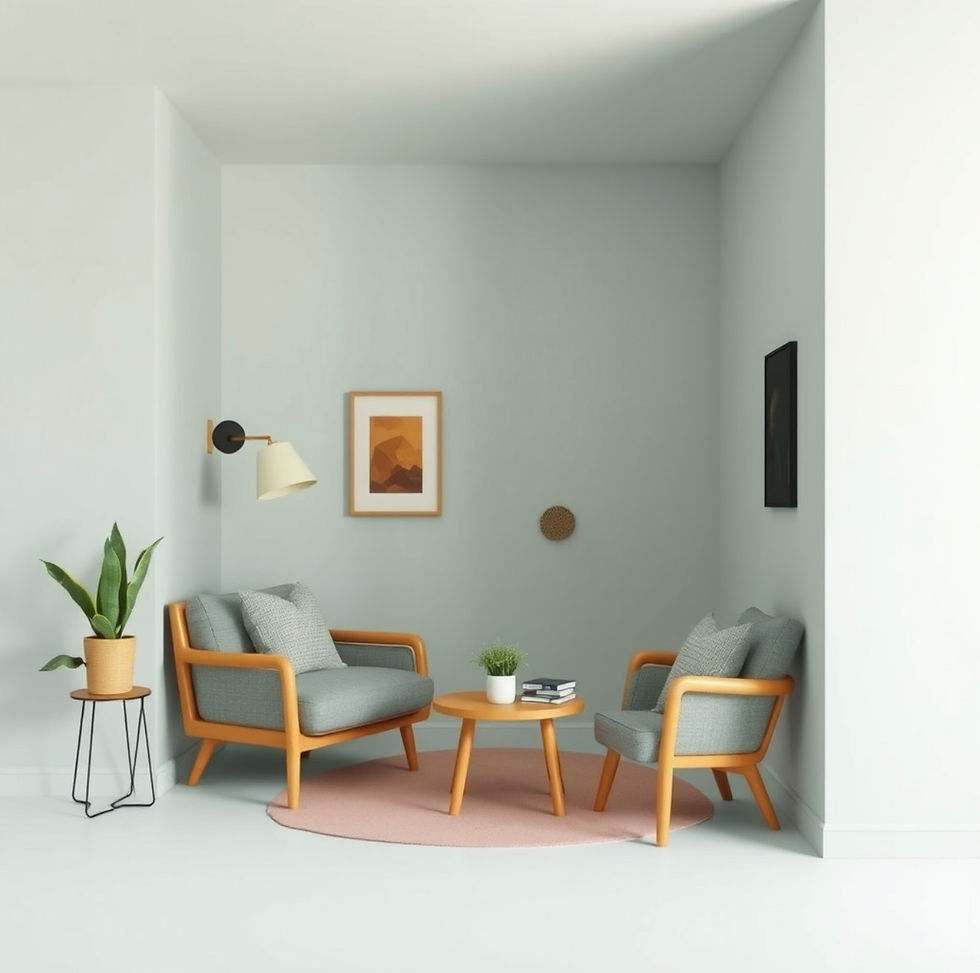
In practice, universal design for neurodiversity means creating spaces with built-in flexibility and sensory consideration. Lighting should be adjustable and warm rather than harsh. Acoustic design should incorporate sound-absorbing materials as standard. Color schemes should be calming and consistent. Spaces should include both quiet zones and collaborative areas, allowing users to choose environments matching their current needs.
Wayfinding should be intuitive, with clear signage and visual landmarks. Information should be presented in multiple formats. Furniture should be flexible and movable, allowing users to customize their environment. Technology should support personalization and accessibility. These features are not special accommodations for neurodivergent individuals—they are good design that benefits everyone.
Universal Design in Digital Spaces
Universal design principles apply equally to digital environments. Websites and applications should have clear navigation, readable fonts, adjustable text sizes, and minimal unnecessary motion. Multiple input methods—keyboard, mouse, voice—support diverse users. Plain language, consistent layouts, and logical information architecture reduce cognitive load. These features make digital spaces more usable for neurodivergent individuals, older adults, non-native speakers, and people with various disabilities.
The Business and Social Case for Universal Design
Universal design is not just ethically sound—it is economically smart. Designing for diversity from the outset is often more cost-effective than retrofitting accommodations later. Universal design expands market reach, as products and spaces designed for diverse users appeal to broader audiences. Organizations that embrace universal design principles attract and retain diverse talent, benefit from diverse perspectives, and create more innovative solutions.
Overcoming Common Misconceptions
Some worry that universal design compromises aesthetics or functionality. In reality, thoughtful universal design enhances both. A beautifully designed space with adjustable lighting, clear wayfinding, and flexible zones is more aesthetically pleasing and functionally superior to a poorly designed space. Universal design is not about lowering standards—it is about raising them to serve everyone better.
Moving Forward: From Accommodation to Inclusion
The shift from accommodation-based thinking to universal design represents a fundamental change in how we approach inclusivity. Rather than asking "How can we accommodate neurodivergent individuals?" we ask "How can we design spaces and systems that work well for everyone, including neurodivergent individuals?" This reframing moves us from a deficit-based model to a diversity-affirming model.
Conclusion
Universal design principles create spaces and systems that work better for everyone, including neurodivergent individuals. By prioritizing flexibility, simplicity, perceptible information, and sensory consideration from the design phase onward, we create truly inclusive environments. This approach benefits not only neurodivergent individuals but also older adults, people with disabilities, non-native speakers, and anyone navigating complex environments. As designers, business leaders, and community members, embracing universal design principles is an investment in creating a more inclusive, equitable, and ultimately more successful world for all.


Comments