

Wayfinding and Spatial Clarity: How Clear Navigation Reduces Cognitive Load in Interior Design
- Phasezero Design Studio
- Dec 14, 2025
- 3 min read

Updated: May 3
Imagine entering a building where every corridor looks identical, signage is unclear, and the path to your destination is ambiguous. For many people, this creates mild frustration. For neurodivergent individuals—particularly those with autism or ADHD—such environments can trigger significant anxiety, disorientation, and cognitive exhaustion. Effective wayfinding and spatial clarity are not merely aesthetic considerations; they are fundamental to creating inclusive, accessible spaces that support cognitive well-being. At PHASEZERO Design Studio, we integrate clear navigation principles into every project, recognizing that thoughtful wayfinding benefits all users.
The Cognitive Cost of Poor Wayfinding
Wayfinding—the process of navigating through physical space—requires significant cognitive resources. When environments lack clear visual cues, consistent signage, and logical spatial organization, users must expend mental energy decoding their surroundings rather than focusing on their actual task. For neurodivergent individuals with executive function challenges or sensory processing differences, this cognitive burden can be overwhelming. Poor wayfinding increases stress, reduces productivity, and can lead to avoidance of spaces altogether. Conversely, clear spatial design reduces cognitive load, allowing all users to navigate confidently and focus on meaningful activities.
Principles of Effective Wayfinding Design
Effective wayfinding integrates multiple design strategies to create intuitive, navigable spaces:
Visual Hierarchy and Landmarks: Establishing clear visual landmarks—distinctive architectural features, color zones, or sculptural elements—helps users orient themselves and remember routes. These landmarks serve as cognitive anchors that reduce the mental effort required for navigation.
Consistent Signage Systems: Implementing standardized, legible signage with clear typography, high contrast, and simple language ensures information is accessible to diverse cognitive profiles. Pictorial symbols complement text, supporting users with dyslexia or language processing differences.
Logical Spatial Organization: Arranging spaces in predictable, hierarchical patterns—such as organizing departments by function or arranging floors by activity type—allows users to develop mental maps more easily.
Color Coding and Zoning: Using distinct color schemes for different areas or departments provides immediate visual orientation. This strategy is particularly effective for neurodivergent individuals who may process visual information more readily than text.
Intuitive Circulation Patterns: Designing clear, direct routes with minimal dead ends and confusing intersections reduces navigation anxiety. Avoiding unnecessary complexity supports users with spatial processing challenges.
Healthcare Facilities
Hospitals and clinics present particular wayfinding challenges. Patients often arrive stressed or unwell, making navigation more cognitively demanding. Clear color-coded zones, intuitive signage, and logical department organization reduce anxiety and improve patient experience. For neurodivergent patients, clear wayfinding can mean the difference between manageable stress and overwhelming sensory overload.
Educational Institutions
Schools and universities benefit significantly from clear spatial organization. Neurodivergent students often experience anxiety about navigating unfamiliar buildings. Consistent signage, color-coded zones, and clear visual landmarks support independence and reduce stress, allowing students to focus on learning rather than navigation.
Corporate Offices
Modern offices increasingly employ open-plan layouts that can be disorienting. Clear wayfinding—through color coding, consistent signage, and logical zoning—helps neurodivergent employees navigate confidently. This is particularly important for individuals with ADHD or autism who may struggle with spatial orientation in complex environments.
Design Strategies for Cognitive Accessibility
Beyond traditional wayfinding, several design strategies enhance cognitive accessibility:
Simplified Layouts: Reducing visual complexity through clean lines, uncluttered spaces, and minimal ornamentation supports cognitive processing. This principle aligns with contemporary minimalist design while serving accessibility goals.
Predictable Patterns: Repeating design elements and spatial patterns create familiarity, reducing cognitive load. When users can predict what they'll encounter, navigation becomes intuitive.
Multi-Modal Information: Combining visual, textual, and symbolic information accommodates diverse processing styles. Users can choose the information format that works best for them.
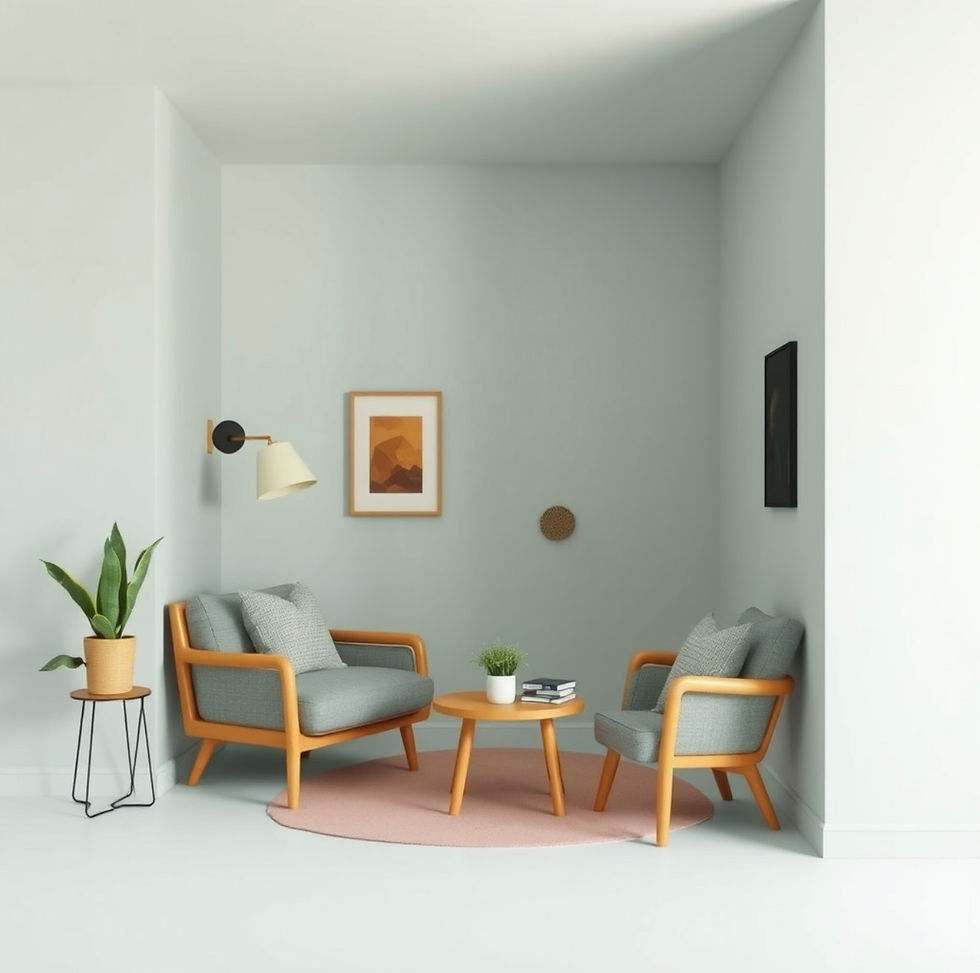
Rest Areas and Refuge Spaces: Providing quiet zones where users can pause and reorient themselves supports cognitive regulation. These spaces are particularly valuable for neurodivergent individuals managing sensory or cognitive overwhelm.
The Universal Benefit of Clear Wayfinding
Clear wayfinding benefits everyone. Elderly visitors appreciate intuitive navigation. Parents with young children benefit from reduced stress. Visitors with temporary injuries or cognitive fatigue navigate more easily. The 'cognitive curb-cut' effect demonstrates that design accommodations for neurodivergent individuals create more usable, welcoming spaces for all. Clear wayfinding is not a specialized accommodation—it is good design that serves universal human needs.
Implementing Wayfinding Excellence
At PHASEZERO Design Studio, we approach wayfinding as an integral design discipline, not an afterthought. From initial spatial planning through detailed signage design, we prioritize clarity and cognitive accessibility. We involve diverse stakeholders—including neurodivergent individuals—in testing and refining wayfinding systems. The result is spaces that are not only beautiful but genuinely navigable, supporting independence and well-being for all users. In an increasingly complex built environment, clear wayfinding is a marker of thoughtful, human-centered design.


Comments