
Zoning And Flexibility: Designing Multi-Functional Spaces For Neurodivergent Needs
- Phase Zero
- Nov 14, 2025
- 3 min read

Beyond One-Size-Fits-All: How Strategic Zoning Creates Neurodivergent-Friendly Spaces
One of the most transformative concepts in contemporary interior design is the recognition that different people need different environments at different times. For neurodivergent individuals—particularly those with ADHD or autism—the ability to move between distinct zones tailored to specific activities can be life-changing. Strategic zoning and flexible design aren't luxuries; they're essential components of truly inclusive interior design.
Understanding Neurodivergent Space Needs
Neurodivergent individuals often experience significant variation in their sensory and cognitive needs throughout the day. Someone with ADHD might require a highly stimulating environment to maintain focus during creative work, yet desperately need a calm, quiet refuge during moments of overwhelm. Similarly, individuals with autism may need to transition between social spaces and sensory-safe zones to regulate their nervous systems.
Traditional open-plan designs, while popular, can be problematic for neurodivergent users. Without clear boundaries and distinct zones, these spaces often create sensory confusion and make it difficult to shift mental states between activities.
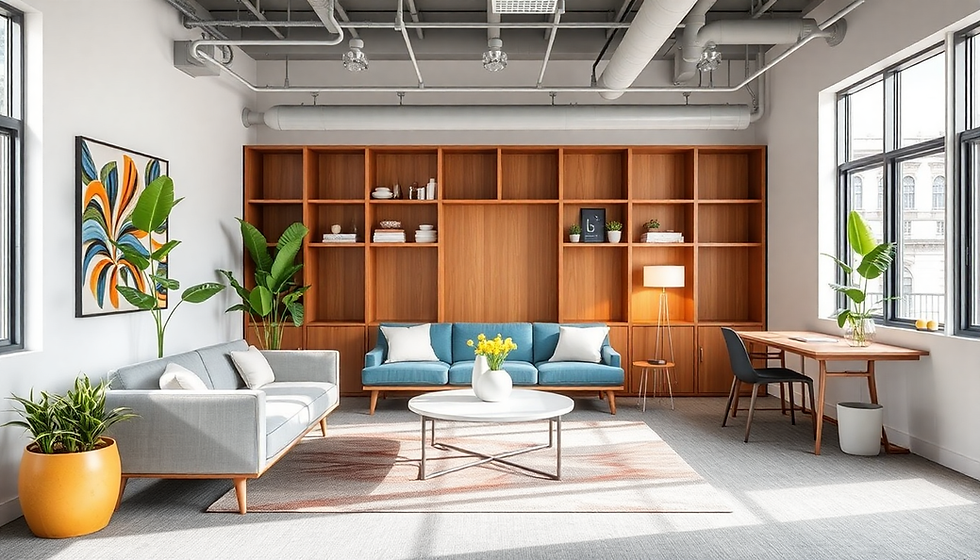
The Four Essential Zones
Effective neurodivergent-friendly design typically incorporates four complementary zones:
1. Focus Zones
These are dedicated areas for concentrated work or study, characterised by minimal visual clutter, controlled lighting, and sound management. Acoustic panels, noise-cancelling elements, and visual barriers help create an environment where focus is possible. Furniture should be ergonomic and adjustable, supporting different working styles and movement needs.
2. Calm/Retreat Zones
Every neurodivergent-friendly space needs a sanctuary—a place for sensory regulation and emotional recovery. These zones feature soft lighting, comfortable seating, natural materials, and minimal stimulation. Incorporating elements like indoor plants, soft textures, and perhaps gentle water features creates a restorative environment. This zone should feel distinctly separate from active areas, both visually and acoustically.
3. Movement and Active Zones
Contrary to common assumptions, neurodivergent individuals often benefit from spaces that encourage movement and provide sensory stimulation. These zones might include standing desks, wobble chairs, fidget-friendly furniture, or even dedicated areas for stretching and movement. For some, this stimulation is essential for focus and emotional regulation.
4. Social/Collaborative Zones
When designed thoughtfully, social spaces can be welcoming rather than overwhelming. These areas benefit from clear sightlines, defined boundaries, and the ability to control noise levels. Comfortable seating arrangements that don't force direct eye contact, combined with optional background activities, can make social interaction more accessible.
Creating Effective Transitions
The boundaries between zones are as important as the zones themselves. Visual cues—changes in flooring, colour, lighting, or subtle architectural elements—help signal transitions without creating jarring shifts. This clarity reduces cognitive load and helps neurodivergent individuals navigate the space intuitively.

Flexibility as a Core Principle
True neurodivergent-friendly design embraces flexibility. Furniture should be moveable, allowing spaces to adapt to changing needs. Modular elements, adjustable partitions, and multipurpose furniture enable individuals to customise their environment. This flexibility acknowledges that neurodivergent needs aren't static—they fluctuate based on energy levels, stress, and external factors.
Practical Design Strategies
Use subtle colour or material changes to define zone boundaries
Incorporate acoustic solutions (panels, heavy curtains, rugs) to manage sound between zones
Provide varied seating options within each zone
Ensure adequate lighting control in each area
Create visual privacy without complete isolation
Use consistent wayfinding cues throughout the space
Allow for personalisation within each zone
Conclusion
Zoning and flexibility represent a paradigm shift in interior design—moving away from one-size-fits-all solutions towards spaces that honour individual differences. By thoughtfully creating distinct zones that address focus, calm, movement, and social needs, designers can craft environments where neurodivergent individuals don't just survive but genuinely flourish. This approach ultimately benefits everyone, creating more adaptable, human-centred spaces that support diverse ways of working, learning, and living.


Comments