
Listed Building Interior Design, Hampstead
Hampstead is one of the few parts of London where Georgian, Regency, and Victorian buildings survive largely intact on streets that still look much as they did when they were built. The conservation areas that cover most of the village and the Heath edge are among the most closely observed in the country. Many of the properties that line Hampstead's lanes and squares carry listed status. Some carry it at Grade II*: buildings of more than special interest.
This is not a neighbourhood where a design studio can arrive with a predetermined look and apply it. The buildings here have a specific character — in their proportions, their materials, their relationship to the landscape and the sky — that sets the terms for any design decision made inside them. A studio that does not understand that will produce work that feels imposed rather than resolved.
Phasezero Design Studio works with listed properties and conservation area buildings in Hampstead and NW3. We read the building before we propose anything, develop a design position that serves it, and carry the project from consent to completion.
We start with the building. Not the brief.
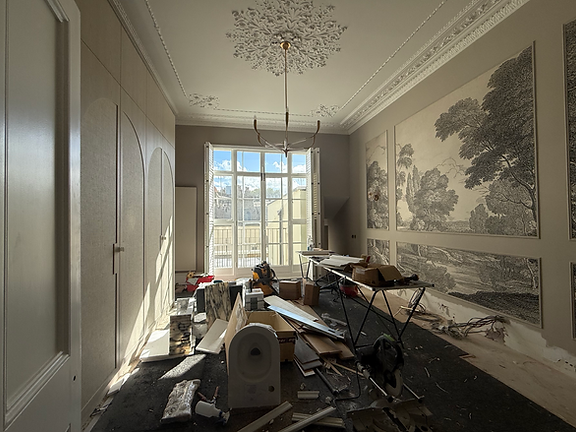
Listed buildings in Hampstead: what your project involves
The Hampstead conservation areas Hampstead Village, West Hampstead, Fitzjohns and Netherhall, Fortune Green, Frognal: the conservation areas covering Hampstead are extensive and carefully managed by Camden Council. Works that would be permitted development elsewhere require planning permission here. External alterations to buildings within a conservation area are assessed against their impact on the character of the area as a whole, not just the individual property.
Listed building consent A significant proportion of Hampstead's finest properties carry listed status, some at Grade II*, which carries a higher level of protection and scrutiny than Grade II. Any works that affect the character of a listed building require listed building consent from Camden, in addition to any planning permission. The application needs to make a thorough, well-documented case. A Grade II* building requires particular care in how the case is presented.
Camden's conservation officers Camden's conservation team is experienced and attentive. They know these buildings individually. A studio that engages them early — before formal submission, before commitments are made — has a different experience of the process than one that submits cold. We treat pre-application engagement as standard practice on all listed building projects, and particularly on the more sensitive ones.
The building fabric of Hampstead Hampstead's finest properties span several centuries of construction. Georgian brick, Regency stucco, Victorian tile and timber, Arts and Crafts craftsmanship on the streets closest to the Heath: the material vocabulary varies considerably, and the condition of what survives depends on the history of each building. Discoveries during works are a reliable feature of this kind of project. Floor structures, roof timbers, original joinery concealed behind later alterations: understanding what you are dealing with before you start cutting into things is what separates a managed project from an unmanaged one.
Larger houses and more complex structures Hampstead's residential buildings include some of the largest and most structurally complex private houses in London. Projects at this scale often involve significant structural interventions — the removal of later additions, the reconfiguration of service cores, the integration of contemporary services and environmental systems into buildings that were not designed for them. Managing that complexity across the planning, structural, and design layers requires a studio that holds all three.
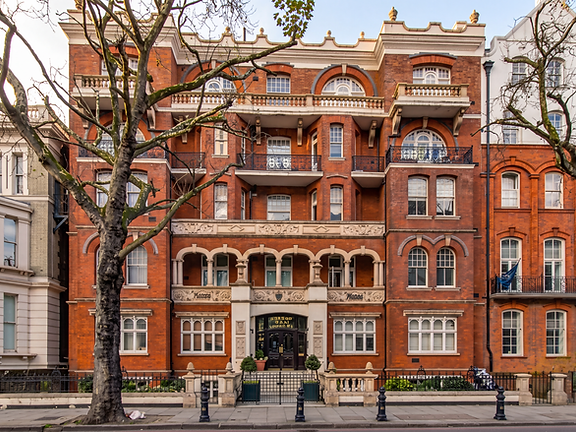
How we approach listed building projects in Hampstead
Every project begins with a building audit. Before any design decisions are made, we read the fabric: the construction period, the materials in use, the history of alteration, and the condition of what remains. In Hampstead, that reading often reveals a richness in what the building already is — original details, spatial sequences, material qualities — that should inform every subsequent decision rather than be worked around.
From that reading, we develop a design position grounded in what the building is. Its proportions set the spatial logic. Its materials set the terms for what belongs alongside them. Its relationship to the landscape and the light outside informs how the interior is organised. The client's brief works within that framework, and the result is an interior that reads as the building's own rather than something placed inside it.
We carry the project from that reading through planning and listed building consent, interior design, material specification, contractor management, and completion.

Relevant experience
Pimlico Apartment, London
A Grade II listed Victorian apartment near Victoria Station. Full interior design, listed building consent, and project management — including a structural discovery during the master bathroom strip-out that required immediate coordination with the listed building authority, building control, and the leaseholder. Resolved without impact on the programme.
Hampstead's listed properties range from the same Victorian stock as Pimlico to significantly older and more complex buildings. The process — reading the building, preparing a strong consent application, managing what works reveal — is the same in both cases.
[View the Pimlico Apartment project]
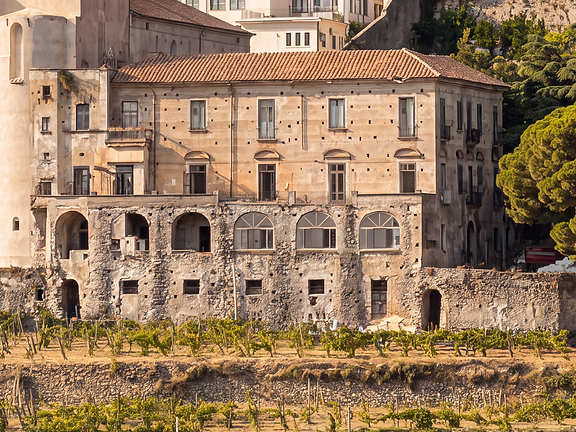
Historic restoration, southern Italy
Phasezero has worked on historic buildings internationally, including restoration work on a property on the Amalfi Coast involving period fabric, traditional construction methods, and conservation-informed material specification throughout.
The clients we work with
The people who commission listed building interior design in Hampstead have usually chosen the neighbourhood deliberately. They understand what they are buying — a building with a specific history, a specific material character, a specific relationship to one of the most extraordinary pieces of landscape in London — and they want it in the hands of a studio that understands the same thing.
Some arrive before exchange, wanting to understand the design and consent process before they commit to a building at this level of complexity. Some have owned the property for years and are finally ready to carry out the work they have been thinking about. Some have a specific problem to resolve.
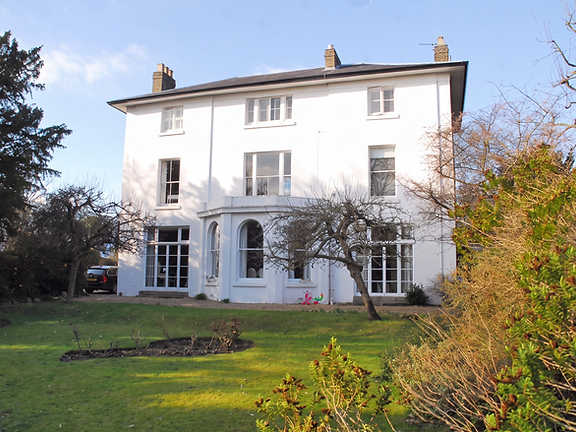
Questions we are often asked
Does interior work in a Hampstead listed building need consent? For most works of consequence, yes. Any alteration that affects the character of the building requires listed building consent from Camden. We advise on what your specific project requires before anything is committed.
What is the difference between Grade II and Grade II in practice? Grade II* buildings are considered of more than special interest. The consent process is the same in structure, but the level of scrutiny is higher and the conservation officer's expectations more demanding. The application needs to make a stronger case, and the design proposals need to be more thoroughly documented. We have experience preparing applications at both levels.
How does Camden approach listed building applications in Hampstead? Carefully, and with knowledge of the individual buildings. Pre-application engagement with the conservation officer — which we carry out as standard — shapes the application and reduces the risk of delays at the formal submission stage.
Can a Hampstead listed building accommodate contemporary environmental systems? Yes, in most cases. The integration of heating, cooling, ventilation, and electrical systems into a historic building is a design problem that requires careful planning from the outset. It is solvable when it is designed in rather than retrofitted, and when the consent case addresses it directly.
What if something unexpected comes up during works? In a building of this age and complexity, it often does. What matters is having a team that can assess the situation, coordinate with the relevant authorities, and make the right decisions quickly. We have managed exactly this. It is part of the work.
Free guide: Working with a listed building
If you are trying to understand what listed building consent involves, what to ask a design studio before you appoint them, and how to avoid the most common problems, we have written a short guide that covers the essentials.
Or email us directly at contact@bd-phase-zero.co.uk