
Listed Building Interior Design, Notting Hill
Notting Hill's residential streets are among the most architecturally coherent in London. Stucco-fronted Victorian terraces, garden squares, and large period townhouses — many of them Grade II listed, most of them sitting within a conservation area. Beneath the neighbourhood's polished exterior, these are buildings with layered histories: altered, subdivided, recombined, and in many cases carrying the marks of decades of incremental change.
Working with a listed building in Notting Hill means understanding that history before making a single decision about what comes next. It means knowing what the Royal Borough of Kensington and Chelsea will and will not accept. And it means being able to manage what period buildings reliably produce once works begin.
Phasezero Design Studio works with listed properties and conservation area buildings across Notting Hill and W11. We read the building first, develop a design position that serves it, and carry the project through from planning consent to completion. One studio. One consistent set of decisions.
We start with the building. Not the brief.
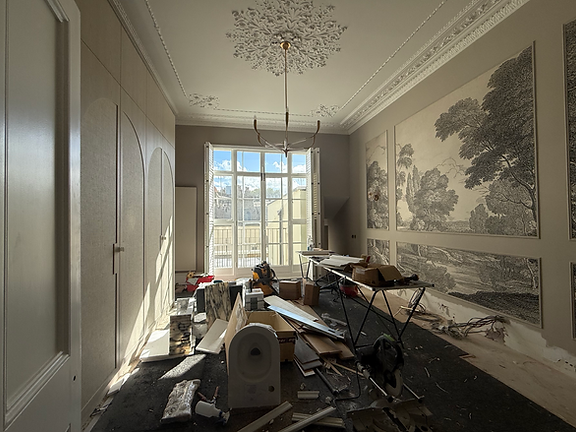
Listed buildings in Notting Hill: what your project involves
Conservation area coverage Almost all of Notting Hill's residential streets fall within one of RBKC's designated conservation areas: the Ladbroke, Pembridge, Norland, or Colville conservation areas between them cover most of the neighbourhood. That means works that would be permitted development elsewhere almost always require planning permission here. The streetscape is protected at a level that reflects how much of it is genuinely worth protecting.
Listed building consent Many of Notting Hill's finest properties carry listed status. Any works that affect the character of a listed building — including most internal alterations of consequence — require listed building consent from RBKC, separately from any planning permission. That process needs a clear, well-documented case for why the proposed works are appropriate. The quality of the application matters.
RBKC conservation officers RBKC's conservation officers know these buildings well. They have seen poor applications and poor interventions on properties they care about. A studio that approaches them with a thorough understanding of the building, a clear design rationale, and evidence of experience with historic fabric tends to have a different conversation than one that arrives without it. Pre-application engagement is standard practice for us.
Period building fabric Notting Hill's stucco terraces were built between the 1820s and the 1870s. They are substantial buildings, but they have also had nearly two centuries of use, alteration, and in many cases subdivision and recombination. The structural and material conditions inside them are rarely exactly what a survey suggests. Discoveries during works are not the exception. They are part of the project.
Basement and lateral connections Many Notting Hill refurbishments involve significant structural interventions: basement excavations, lateral connections between formerly separate units, or the removal of later additions that divide what was originally a single space. These projects require structural engineering, party wall agreements, and careful management of the consent process. They are among the most complex residential works to undertake, and among the most consequential if they are not handled well.
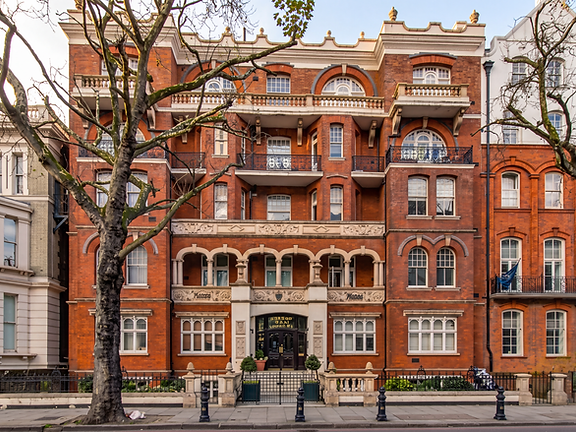
How we approach listed building projects in Notting Hill
Every project begins with a building audit. Before we propose anything, we read the fabric: the construction period, the materials used, the condition of what exists, and the history of what has been changed. In Notting Hill, that reading almost always reveals conditions that a less careful approach would encounter at a more difficult moment.
From that reading, we develop a design position specific to the building and the brief. What can change without loss. What the consent process is likely to require. What the relationship between new work and existing fabric needs to be to read as coherent rather than imposed. That position becomes the basis for the consent application and the design brief simultaneously.
We carry the project from that reading through planning and listed building consent, interior design, material specification, contractor management, and completion. The same understanding runs through every stage. Nothing is handed off.

Relevant experience
Pimlico Apartment, London
A Grade II listed Victorian apartment near Victoria Station. Full interior design, listed building consent, and project management — including a structural discovery during the master bathroom strip-out that required immediate coordination with the listed building authority, building control, and the leaseholder. Resolved without impact on the programme.
Notting Hill's listed properties and Pimlico's share the same regulatory environment and the same period building character. The Pimlico project demonstrates the kind of management that listed building work in both areas demands: design decisions and regulatory decisions made at the same time, under time pressure, without losing the programme.
[View the Pimlico Apartment project]
Historic restoration, southern Italy
Phasezero has worked on historic buildings internationally, including restoration work on a property on the Amalfi Coast involving period fabric, traditional construction methods, and conservation-informed material specification throughout.

The clients we work with
The people who commission listed building interior design in Notting Hill have usually bought carefully. They have found something — a townhouse on a garden square, a stucco-fronted terrace on one of the hill's quieter streets, a large lateral apartment in a building that rewards the attention it is given — and they want it handled by a studio that understands its value.
Some arrive before exchange, wanting to understand the design and consent process before they commit. Some have owned the property for years and are ready to carry out works they have been planning for a long time. Some have a specific problem — a previous planning refusal, an intervention that did not go well, a structural issue that needs resolving — and need someone to come in and do it properly.
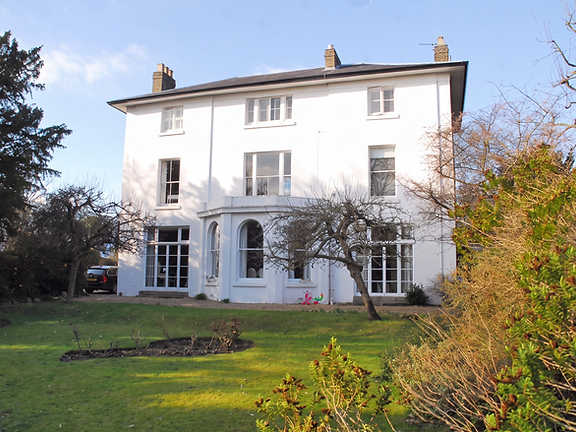
Questions we are often asked
Does interior work in a Notting Hill listed building need consent? For most works of consequence, yes. Any alteration that affects the character of the building requires listed building consent from RBKC. We can advise on what your specific project requires before anything is committed.
How does RBKC approach listed building applications in Notting Hill? Carefully. Conservation officers in RBKC are consistent and experienced. A well-prepared application that clearly documents the building and explains the proposed works tends to move predictably. We prepare the application and engage the conservation officer directly, before formal submission.
Can contemporary design work in a Notting Hill listed building? Yes. The question is not whether the design is contemporary but whether it is compatible with the building's existing character and fabric. Work that is well-considered, well-specified, and appropriately presented to the conservation officer can be genuinely modern in its sensibility while remaining fully appropriate to a historic building.
How long does listed building consent take? Standard consent takes eight weeks from validated application to decision. Pre-application engagement, which reduces the risk of delays or requests for further information, is something we treat as standard rather than optional on listed building projects.
What if something unexpected comes up during works? It does, in period buildings. A floor structure more compromised than the survey suggested. Services modified without record. What matters is having a team that can respond quickly, coordinate with the right people, and make the right decisions without the programme stalling. We have managed exactly this.
Free guide: Working with a listed building
If you are trying to understand what listed building consent involves, what to ask a design studio before you appoint them, and how to avoid the most common problems, we have written a short guide that covers the essentials.
Or email us directly at contact@bd-phase-zero.co.uk