

Sustainable Architecture in London: A Path to a Greener Future
- Phasezero Design Studio
- Apr 13
- 4 min read

Updated: May 20
Understanding Sustainable Architecture London
Sustainable architecture in London involves designing and constructing buildings that minimise environmental impact. This includes using renewable materials, improving energy efficiency, and reducing waste. The goal is to create buildings that harmonise with their surroundings and contribute positively to the urban ecosystem.
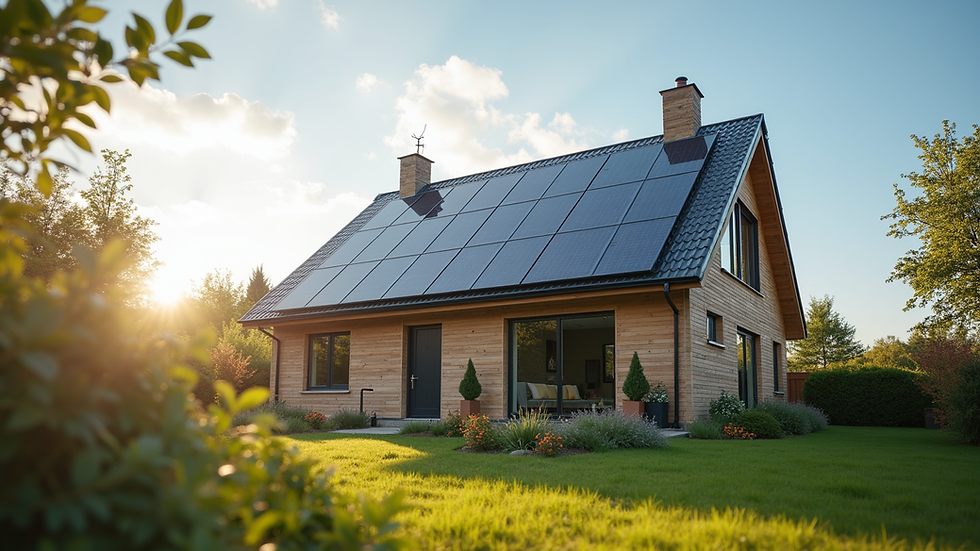
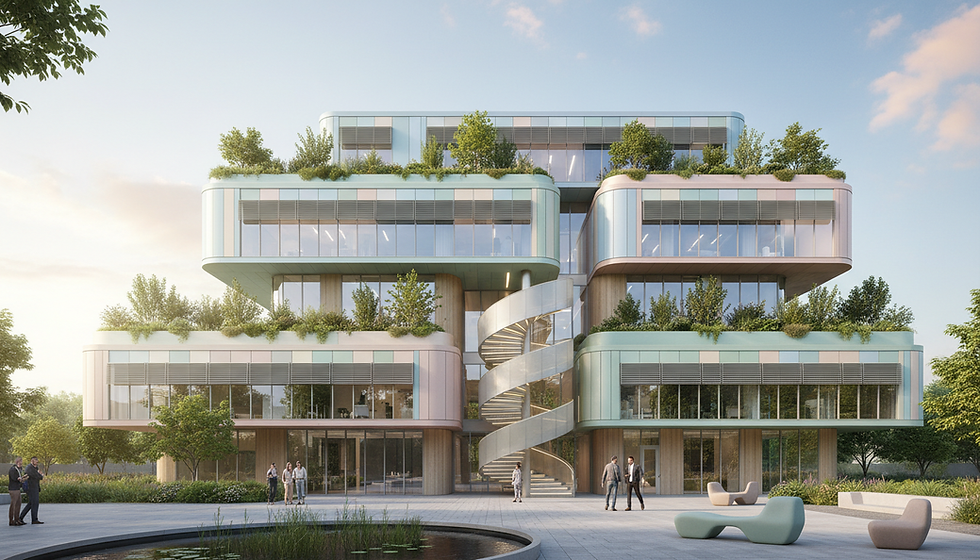
One key aspect is the integration of green technologies such as solar panels, rainwater harvesting systems, and natural ventilation. These features reduce reliance on non-renewable energy sources and lower carbon footprints. Additionally, sustainable buildings often incorporate green roofs and walls, which help regulate temperature and improve air quality.
London's climate and urban density present unique challenges and opportunities for sustainable design. Architects must consider factors like limited space, historical preservation, and local regulations. Despite these constraints, many projects successfully demonstrate how sustainability can be achieved without compromising style or functionality.
Key Features of Sustainable Architecture in London
Several characteristics define sustainable architecture in the city:
Energy Efficiency: Buildings are designed to use less energy through insulation, efficient lighting, and smart heating and cooling systems.
Use of Sustainable Materials: Preference is given to materials that are recycled, locally sourced, or have low environmental impact.
Water Conservation: Systems are installed to reduce water use and recycle greywater.
Indoor Environmental Quality: Designs prioritise natural light, air quality, and thermal comfort to enhance occupant wellbeing.
Waste Reduction: Construction processes aim to minimise waste and encourage recycling.
For example, the BedZED (Beddington Zero Energy Development) project in London is a pioneering eco-village that incorporates many of these features. It uses solar energy, high-performance insulation, and water-saving appliances to create a low-impact living environment.
Collaborating with Eco Friendly Designers London
When embarking on a sustainable building or renovation project, working with eco friendly designers can make a significant difference. These professionals specialise in creating designs that meet environmental standards while fulfilling client needs.
Choosing the right designer involves considering their experience with sustainable materials, knowledge of local regulations, and ability to integrate innovative technologies. A good designer will also help navigate planning permissions and ensure the project aligns with sustainability certifications such as BREEAM or LEED.
In London, many designers are now offering bespoke solutions tailored to the city's unique context. They focus on maximising natural light, improving energy performance, and using materials that reduce environmental impact. This approach not only benefits the environment but also enhances the value and comfort of the property.
Practical Steps to Implement Sustainable Architecture
Implementing sustainable architecture in London requires careful planning and execution. Here are some practical steps to consider:
Site Analysis: Understand the local climate, sun path, wind patterns, and existing vegetation to optimise building orientation and design.
Material Selection: Choose materials with low embodied energy, such as reclaimed wood, recycled steel, or natural insulation.
Energy Systems: Incorporate renewable energy sources like solar panels or ground-source heat pumps.
Water Management: Install rainwater harvesting and greywater recycling systems.
Waste Management: Plan for construction waste reduction and recycling.
Smart Technology: Use building management systems to monitor and control energy use efficiently.
These steps help create buildings that are not only sustainable but also cost-effective in the long term. They reduce operational costs and improve occupant satisfaction.
The Future of Sustainable Architecture in London
The future of sustainable architecture in London looks promising. Advances in technology and growing environmental awareness are driving innovation in design and construction. New materials, such as carbon-negative concrete and bio-based composites, are becoming more accessible.
Urban planning is also evolving to support sustainability goals. Initiatives like the London Plan encourage green infrastructure, mixed-use developments, and improved public transport connectivity. These efforts aim to reduce the city's overall carbon footprint and enhance quality of life.
Moreover, retrofitting existing buildings with sustainable features is gaining traction. This approach preserves London's architectural heritage while improving energy efficiency and reducing emissions.
By embracing these trends, London can continue to lead in sustainable urban development, creating spaces that are resilient, adaptable, and environmentally responsible.
Embracing Sustainable Design for Lasting Impact
Sustainable architecture in London is more than a trend - it is a necessary shift towards responsible building practices. By prioritising energy efficiency, resource conservation, and occupant wellbeing, these designs offer long-term benefits for both the environment and property owners.
For businesses and homeowners looking to invest in sustainable design, the key is to partner with knowledgeable professionals who understand the complexities of the local context. This collaboration ensures that projects are not only beautiful and functional but also aligned with broader environmental goals.
Ultimately, sustainable architecture contributes to a healthier, more vibrant city. It supports London's commitment to reducing carbon emissions and fosters a culture of innovation and care for the planet.
Exploring Sustainable Architecture in London
Exploring sustainable architecture in London reveals a world of possibilities for creating spaces that respect nature and enhance human experience. It is an exciting journey towards building a better future, one project at a time.
As we delve deeper into sustainable practices, we can see how they influence our daily lives. From energy-efficient homes to eco-friendly commercial spaces, the impact is profound. Each project contributes to a larger narrative of sustainability, showcasing our commitment to a greener future.
In conclusion, sustainable architecture is not just about building; it is about creating a legacy. A legacy that prioritises the environment, enhances quality of life, and fosters community. Together, we can shape a future where architecture and nature coexist harmoniously.

Comments