

Elevate Your Space: A Comprehensive Guide to Loft Conversion Styles
- Phasezero Design Studio
- Dec 7, 2023
- 4 min read

Updated: Nov 13, 2025
In cities and suburbs across the UK, loft conversions have become one of the most effective ways to add living space, increase property value, and improve lifestyle flexibility — all without expanding a home’s footprint.
As land becomes scarcer and sustainability rises up the design agenda, transforming unused roof space into functional, beautifully designed rooms represents not just smart architecture, but responsible urban living.
This guide explores the main loft conversion styles, their architectural advantages, planning considerations, and how to choose the right option for your home.
Why Loft Conversions Are So Popular
A loft conversion can add up to 20% to a home’s market value, making it one of the most cost-effective forms of home improvement.
Beyond financial gain, the benefits include:
Efficient use of existing structure — no need to build outward.
Reduced energy use through insulation upgrades.
Greater adaptability for growing families or flexible workspaces.
Design freedom to introduce natural light, texture, and volume.
In architectural terms, a loft conversion transforms dead space into a sustainable, multi-functional living environment.

Understanding Loft Conversion Categories
There are several key types of loft conversions, each offering unique spatial and aesthetic possibilities depending on your property type, roof pitch, and local planning context.
A. Dormer Loft Conversion
Best for: Most property types, especially terraced and semi-detached homes.
A dormer conversion is the most common and versatile style. It involves extending the roof vertically to create a box-shaped structure, increasing headroom and usable floor space.
Benefits:
Adds full-height walls and windows for natural light.
Flexible for bedroom, office, or en-suite design.
Usually falls under Permitted Development Rights (PDR).
Design Tip: Consider cladding the dormer in zinc, timber, or slate to complement or contrast with the original roof for a contemporary finish.
B. Mansard Loft Conversion
Best for: Period properties, especially in urban areas.
A mansard conversion alters the roof shape along the rear slope, creating a near-vertical wall (usually 72°) with a flat roof on top. This design maximizes volume and blends elegantly with traditional architecture.
Benefits:
Provides the largest internal space among all conversion types.
Seamlessly integrates into terraced streetscapes.
Excellent opportunity for heritage-sensitive design.
Planning Note: Usually requires full planning permission due to significant roof alteration.
Design Tip: Mansard conversions pair beautifully with heritage sash-style dormer windows and natural slate finishes for timeless appeal.
C. Hip-to-Gable Loft Conversion
Best for: Detached and semi-detached homes with sloped (“hipped”) roofs.
This style extends the sloping side of the roof vertically, creating a gable wall and unlocking additional interior space. It’s ideal for houses where traditional dormer conversions don’t provide enough headroom.
Benefits:
Expands overall floor area substantially.
Visually balances the proportions of the house.
Can often be combined with a rear dormer for even more space.
Design Tip: Use matching brick or render for the new gable wall to maintain cohesion with the existing façade.
D. Velux (Rooflight) Loft Conversion
Best for: Homes with sufficient existing roof height and minimal alteration goals.
Also known as a rooflight conversion, this is the simplest and most cost-effective type. It keeps the existing roof structure intact, adding skylights to bring in daylight and ventilation.
Benefits:
Minimal structural intervention.
Lower cost and faster build time.
Typically within Permitted Development scope.
Design Tip: Install large-format rooflights or a continuous glazing strip to create a bright, airy space — ideal for home offices or studios.
E. L-Shaped Loft Conversion
Best for: Victorian and Edwardian properties with rear outrigger layouts.
An L-shaped conversion combines two dormers — one on the main roof and another over the rear extension — forming an “L” shape. This design is particularly popular in London, where maximizing internal space is crucial.
Benefits:
Creates extensive, flexible floor plans.
Ideal for additional bedrooms or self-contained units.
Enhances property value significantly in urban markets.
Design Tip: Integrate flat-roof glazing or roof terraces to introduce light and outdoor access in dense settings.

Architectural and Planning Considerations
Every loft conversion must balance form, function, and compliance.
Building Regulations
All conversions must comply with:
Fire safety (escape routes, smoke alarms).
Structural stability (new floors and supports).
Thermal efficiency (insulation and ventilation).
Soundproofing (especially in terraced housing).
Planning Permission
Most modest lofts fall under Permitted Development, but check restrictions for:
Conservation areas.
Listed buildings.
Flats or maisonettes (not eligible for PD).
A designer can advise on whether you need a Lawful Development Certificate to formalize approval.
Sustainable Loft Design Strategies
A well-designed loft can enhance energy performance and reduce environmental impact. Consider integrating:
High-performance insulation to minimize heat loss.
Triple-glazed rooflights for natural light and efficiency.
Low-VOC finishes and sustainable timber.
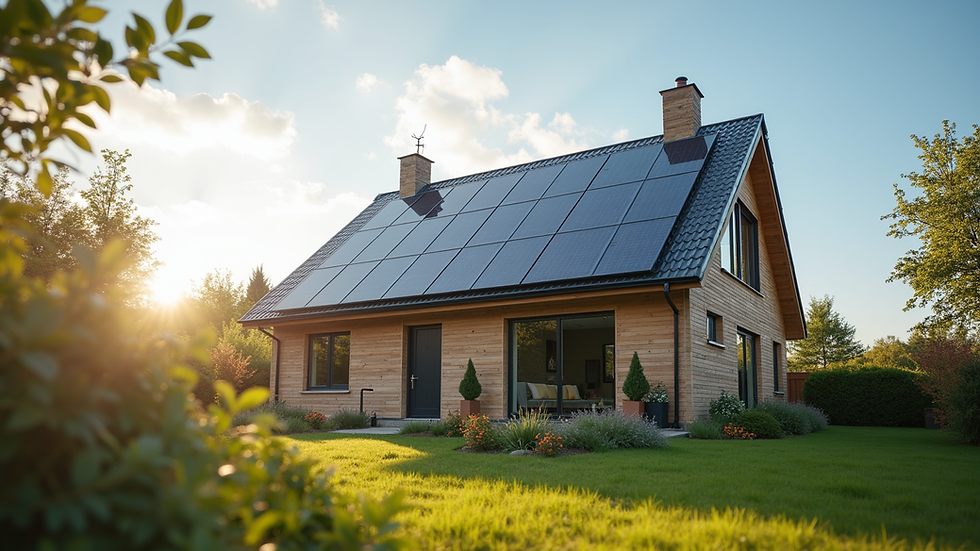
Solar panels integrated into the roofscape.
Green roof options for biodiversity and water retention.
These measures align with the RIBA 2030 Climate Challenge, ensuring your upgrade contributes to a lower-carbon future.

Interior Design and Space Planning
Your loft’s interior can be as dynamic as the structure itself.
Zoning: Define areas for sleep, work, or relaxation using built-in joinery.
Lighting: Combine skylights with layered LED lighting for flexibility.
Storage: Custom eaves storage maximizes every inch of space.
Materiality: Light tones, natural finishes, and reflective surfaces enhance openness.
Connection: Maintain visual continuity with the lower floors through stair design and material palettes.
The Value of Professional Design
While some loft conversions seem straightforward, a design-led approach ensures:
Compliance with all technical and legal standards.
Cohesive integration with the home’s character.
Enhanced resale value through thoughtful design and proportion.
Future flexibility for potential resale or adaptation.
In essence, investing in good design maximizes return — both financially and experientially.
Conclusion
Loft conversions represent more than added space — they reflect a forward-thinking approach to sustainable, adaptable living. Whether you’re drawn to the simplicity of a Velux design, the spaciousness of a mansard, or the urban sophistication of an L-shaped loft, the key lies in thoughtful planning and architectural vision.
By elevating unused space into something functional and inspiring, you not only enhance your home — you contribute to a more resource-efficient and resilient urban future.

Comments