
Conservation Area Interior Design, London
Find out your house is in a conservation area and the questions come quickly. What can you actually change? Do you need planning permission? Can you alter the windows? What happens if you just get on with it?
Conservation areas cover large parts of prime London: Chelsea, Notting Hill, Islington, Hampstead, Pimlico, and many others. They include hundreds of thousands of properties, the vast majority of which are not listed. But being in a conservation area still places real constraints on what you can do, and those constraints are often misunderstood in both directions. People either assume they cannot touch anything, or assume that because their property is not listed, the rules do not apply.
Phasezero Design Studio works with conservation area properties across London. We carry projects from the initial planning assessment through interior design, refurbishment, and completion. We advise on what your property requires, what is permitted, and what needs consent, before any design decision is made. One studio, from first question to finished project.
We start with the building. Not the brief.
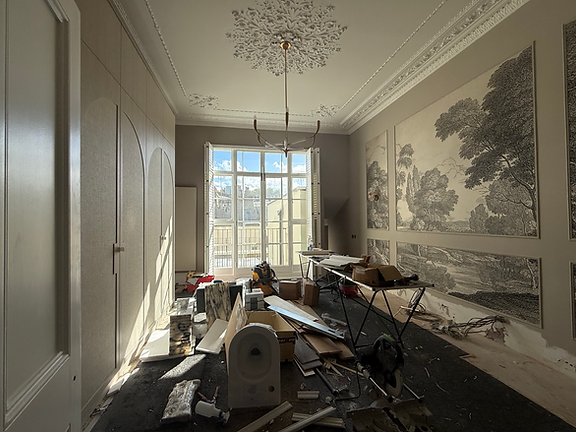
What a conservation area means for your property
Why conservation areas exist A conservation area is a designated place whose architectural or historic character the local planning authority considers worth protecting. In London, that designation almost always covers the whole character of a street or neighbourhood: the rhythm of the roofline, the materials of the facades, the proportions of windows and doors. It is not limited to individual landmark buildings. The aim is to prevent changes that would erode what makes the area worth living in.
What is and is not permitted development In most parts of England, certain works to your own home do not require planning permission. They fall under what is called permitted development. In a conservation area, that permitted development right is restricted. Works that are routine elsewhere are not permitted development in a conservation area and require planning permission from your local authority. This includes fitting solar panels on a front roof slope, replacing timber sash windows with uPVC, and cladding an external wall.
Article 4 Directions take this further. Many London boroughs have applied Article 4 Directions to their conservation areas, which withdraw additional permitted development rights. In practice, this means that in parts of Chelsea, Islington, and Camden, even relatively minor external changes require a full planning application. Replacing front doors, altering boundary walls, and changing roof coverings are all examples. The specific restrictions vary by borough and by conservation area, and the differences matter.
What still does not need permission The restrictions apply primarily to the exterior of the building and to its relationship with the street. Purely internal works do not require planning permission unless the building is also listed. Changing a kitchen, redesigning a bathroom, reorganising internal layouts, and interior decoration are all in this category. This is one of the most commonly misunderstood aspects of conservation area rules. A conservation area designation is not a blanket veto on change. It is a planning framework that governs appearance, not everything.
Materials and external alterations When planning permission is needed for external works in a conservation area, the materials matter. Local authorities expect external materials to be appropriate to the character of the area. Replacing original timber windows with modern materials, using contemporary cladding on a Victorian facade, or adding a structure that reads as incongruous with the streetscape will typically be refused. The planning case for any external alteration needs to demonstrate that the proposal respects what makes the conservation area worth protecting.
Extensions and additions Extensions to conservation area properties are possible but require a thoughtful approach. The local authority will assess scale, massing, materials, and visibility from the public realm. Rear extensions that are not visible from the street are treated more permissively than alterations to the front elevation or roofline. A well-designed extension that is subservient to the original building and uses appropriate materials has a strong track record of approval. An extension that competes with the host building or reads as out of period does not.
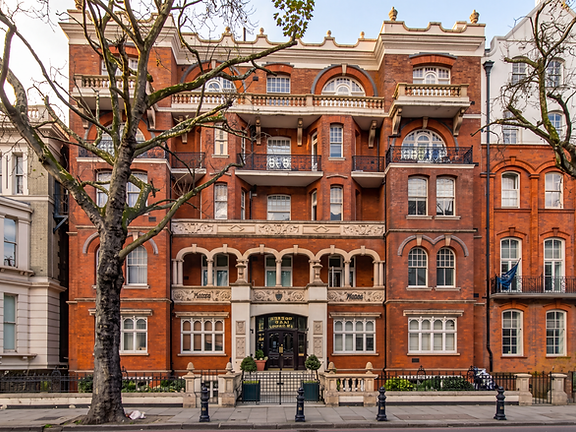
The planning environment in prime London boroughs
Conservation area planning in London is handled by each borough individually, and the approaches differ in meaningful ways.
Royal Borough of Kensington and Chelsea (RBKC) RBKC operates one of the most rigorous planning environments in the country. The vast majority of its residential stock sits within a conservation area. Article 4 Directions cover much of the borough, and the conservation officers apply their requirements carefully and consistently. Works that would be waved through in many other parts of London will receive serious scrutiny here. Early engagement with the conservation officer is standard practice for studios working in this borough, not an optional extra. That means engaging before any application is submitted, ideally before a design is finalised.
London Borough of Islington Islington contains extensive conservation areas covering much of its Georgian and Victorian housing stock. The borough has applied Article 4 Directions across most of its designated areas. It is also one of the more actively managed environments. Islington's planning team maintains detailed appraisals for each conservation area, setting out exactly what the character is and what kinds of intervention are considered appropriate. Those appraisals are worth reading before any design work begins, because they tell you what the officer's baseline expectations will be.
London Borough of Camden Camden covers some of the most valuable conservation stock in London: Hampstead Village, Belsize Park, Primrose Hill, and parts of Bloomsbury. The borough's conservation officers are experienced and the area appraisals are detailed. Camden is also one of the boroughs where pre-application advice tends to make a material difference to outcomes. Pre-application advice is a formal or informal conversation with the planning authority before submission. The cases that run smoothly in Camden are the ones where the design team has done that groundwork first.
Other prime boroughs Westminster, Wandsworth (covering much of Battersea and Clapham), the London Borough of Hackney, and the London Borough of Southwark all contain significant conservation areas. The same principles apply, with borough-specific variations in how strictly permitted development rights have been withdrawn and how conservation officers approach pre-application engagement.
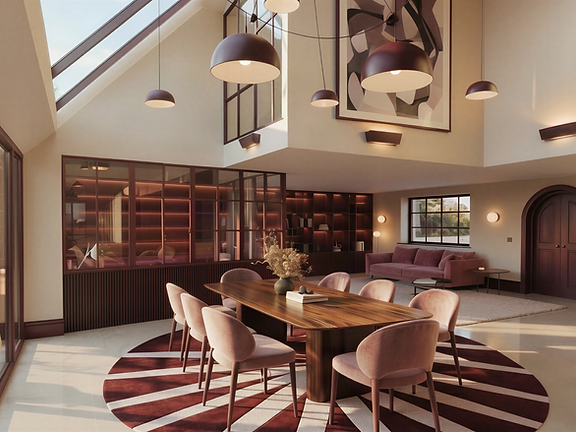
How we approach conservation area projects
Every project starts with a reading of the property and its planning context. Before any design decision is made, we want to understand what the building is, what the local authority's position on the conservation area is, and what that means for the works the client has in mind.
That reading shapes the project from the start. Some clients come to us with clear plans that need to be tested against the planning environment. Some come with a property and a general intention to improve it, and need the design and planning question answered together. Some have already encountered a refusal and need a studio to rethink the approach. We work across all of these situations.
From the initial assessment, we develop a design position that is specific to the building, the brief, and the borough. Where planning permission is needed, we prepare and manage the application. Where pre-application engagement with the conservation officer is advisable, we handle that directly. In London, it usually is. Where the works are entirely internal and no consent is needed, we get straight to the design work.
We carry the project through from that initial assessment to interior design, material specification, contractor management, and completion. One studio holds the whole picture throughout. There is no handoff between a planning consultant, a design team, and a project manager, because they are the same team.
2.png)
Relevant experience
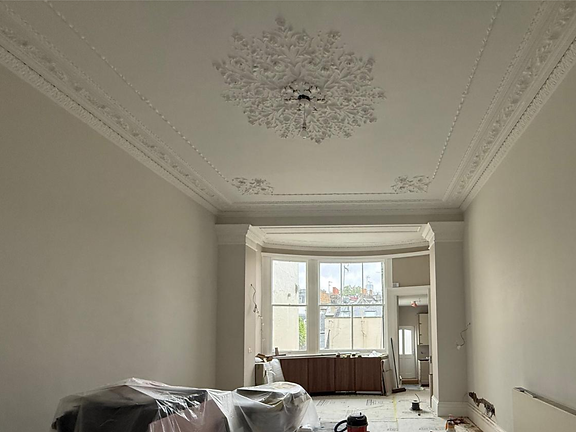
Pimlico Apartment, London
A Grade II listed Victorian apartment near Victoria Station, in a conservation area within the City of Westminster. Full interior design, listed building consent, and complete project management. During the strip-out of the master bathroom, the floor was found to be heavily structurally compromised. Within hours, notifications had gone to the listed building authority, building control, and the leaseholder. A structural engineer was engaged the same day. The programme was protected.
Listed building work is the most constrained version of conservation area practice. The planning and consent rigour required on the Pimlico project is directly transferable to conservation area work in Chelsea, Islington, or Camden.
[View the Pimlico Apartment project]
Mill Lane
A large-scale residential refurbishment across multiple phases, including structural works, rear elevation glazing, and a continuous flooring specification running from interior to exterior. The project required close coordination across contractors, suppliers, and a phased programme.
The clients we work with
The clients who commission conservation area interior design and refurbishment in London tend to have purchased carefully. They have found a property in a neighbourhood they have chosen for good reasons, and they want the building improved without compromising what made it worth buying.
Some arrive at the start of the process, before any works are planned, wanting to understand what the conservation area designation means for them specifically. Some have a clear brief and want a studio that can execute it within the planning constraints without drama. Some have already tried to navigate the planning process without specialist help and have run into difficulty.
What these clients share is a building worth taking seriously and a recognition that the planning environment around it is real. They are not looking for a studio that will tell them to ignore the rules, and they are not looking for one that will tell them nothing can be done. They are looking for one that understands the framework well enough to work within it intelligently.

Questions we are often asked
My house is in a conservation area but it is not listed. Does that make a difference? Yes, a significant one. Listed building consent is a separate and more demanding process, required when works affect a building that is individually listed. A conservation area designation applies to the whole area and governs primarily external appearance and permitted development rights. For purely internal work on an unlisted property in a conservation area, you do not need planning permission. For external changes, you may well do. We can advise on what your specific property and planned works require.
Do I need planning permission to replace my windows? Probably, in a prime London conservation area. Replacing original timber sash windows is one of the most common sources of enforcement action in London conservation areas. In many boroughs, window replacement is not permitted development in a conservation area and requires a planning application. The application needs to demonstrate that the proposed replacement is appropriate to the building's character. Repairing original windows and reinstating original details is almost always easier to approve than wholesale replacement.
What external works can I do without permission? It depends on the specific Article 4 Direction in force in your conservation area, and on what the works are. Some internal alterations visible from the outside, and some works to outbuildings or boundaries, may require consent that they would not in a non-designated area. We advise on this at the outset, because getting it wrong after works have been carried out is significantly more complicated than getting it right beforehand.
Can I add an extension to a conservation area property? Yes, in many cases. The key variables are scale, visibility from the public realm, and material choice. Rear extensions are generally treated more permissively than front or side extensions. A well-designed proposal that is subservient to the original building and uses appropriate materials has a strong track record. We have experience designing and gaining consent for extensions in conservation areas across London.
How long does planning permission take for conservation area works? Standard planning applications take eight weeks from validated submission to decision. Pre-application engagement, which we recommend in all London conservation areas, extends the overall programme but reduces the risk of delays or conditions at the formal application stage. We factor this into the project timeline from the outset.
What if my property is both listed and in a conservation area? The two designations apply simultaneously. You need planning permission for relevant external works, and listed building consent for any works that affect the character of the listed building. This can include many internal works. We handle both processes together, which is the most efficient way to manage a project of that kind.
Free guide: Working with a listed building
If your property is listed as well as being in a conservation area, or if you are trying to understand the difference, we have written a short guide covering how listed building consent works, what to look for when appointing a design studio, and how to avoid the most common problems.
Tell us about your conservation area property
If you are working with a conservation area property in London, get in touch. Whether you are at the stage of understanding what you can do, planning works, or trying to resolve a situation that has become complicated, a short message about the property, the borough, and where you are in the process is enough to start the conversation.
Or email us directly at contact@bd-phase-zero.co.uk