
Chelsea's residential stock is some of the most significant in London. Victorian and Edwardian terraces, Georgian townhouses, converted mansion blocks — buildings that reward careful, considered refurbishment and suffer from anything less.
A full house refurbishment in Chelsea is not a straightforward undertaking. The Royal Borough of Kensington and Chelsea operates one of the most rigorous planning environments in the country. Many properties sit within conservation areas or carry listed status. The buildings themselves — however well-maintained — frequently produce structural and material discoveries once works begin.
Phasezero Design Studio approaches full house refurbishment in Chelsea with design, interior, and project management held under one studio. One person holds the whole picture, from the first structural assessment to the last material decision. Nothing has to be renegotiated between disciplines.
Full House Refurbishment, Chelsea
From the structural decisions to the last detail. One studio, one vision, from start to finish.

Full house refurbishment in Chelsea: what you need to know
The Royal Borough of Kensington and Chelsea planning environment RBKC is one of the most active planning authorities in London. Works that would be permitted development elsewhere — roof alterations, rear extensions, changes to windows and doors — regularly require full planning permission within Chelsea's conservation areas. The borough's conservation officers take a careful view of alterations to the historic streetscape. A studio that has not worked within this environment before will encounter delays that an experienced practice avoids.
Listed buildings and conservation areas A significant proportion of Chelsea's residential properties carry listed building status or sit within a conservation area. Both conditions impose requirements that affect every layer of a refurbishment — structural, material, and cosmetic. Works that affect the character of a listed building require listed building consent, regardless of whether they are internal or external. This is a separate process from planning permission, and one that benefits from careful preparation and a clear understanding of what the conservation officer expects.
Period building fabric Chelsea's Victorian and Edwardian terraces were built to a high standard, but they are now between 100 and 150 years old. Full house refurbishments in this stock reliably produce discoveries: floor structures compromised by previous alterations or water ingress, services installed decades ago and never replaced, party walls modified without formal agreement. Managing these discoveries quickly and correctly is what keeps a programme on track.
Basement and lower ground floor works Many Chelsea refurbishments involve works to basements or lower ground floors — converting underused storage into habitable rooms or extending downward for additional accommodation. These projects involve significant structural engineering, party wall agreements with neighbours, and drainage coordination. They are among the most complex residential works to manage, and among the most consequential if not managed well.

How we approach whole house refurbishment in Chelsea
Every project begins with a thorough reading of the building. Before we propose anything, we want to understand its structure, its planning history, what it is and what it wants to be. In Chelsea, that reading almost always reveals constraints that a less careful approach would encounter later, at greater cost.
From that reading, we develop a design position specific to the building and the client's brief. That position becomes the basis for the planning and consent applications, and for every design decision that follows.
We carry the project through from planning coordination and structural works to interior design, material specification, contractor management, and completion. The same understanding is present at every stage. Nothing is handed off between a design team and a management team, because they are the same team.
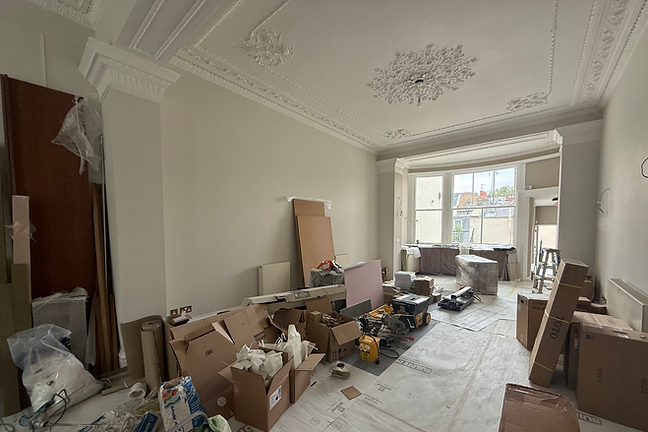
Full house refurbishment work we have delivered
Pimlico Apartment, London
A Victorian listed apartment in Pimlico — a full interior refurbishment involving listed building consent, remote client management, and structural project management. During the strip-out of the master bathroom, the floor was found to be heavily structurally compromised. Within hours, notifications had gone to the listed building authority, building control, and the leaseholder. A structural engineer was engaged the same day. The programme was protected.
Chelsea projects involve the same planning environment and the same quality of period building stock. The Pimlico project is a direct demonstration of how we manage the unexpected discoveries that period properties reliably produce.
→ View the Pimlico Apartment project
Mill Lane, Milton Keynes
A large-scale residential refurbishment phased across multiple stages, including structural works, rear elevation glazing, and a continuous flooring specification from interior to exterior. The programme required precise coordination across contractors, materials, and a phased timeline.
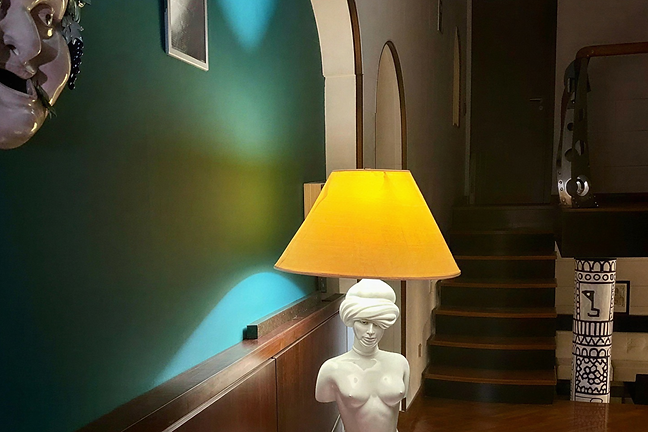
The clients we work with on Chelsea refurbishments
The clients who commission full house refurbishments in Chelsea tend to be people who have purchased a property with real character and want it handled by a studio that understands what that character is and how to serve it.
Some are purchasing and want to understand the refurbishment programme before exchange. Some have owned the property for years and are ready to carry out the work they have been planning. Some have an existing project that has run into difficulty and need a studio to take it on properly.
We work across all of these situations. What they share is a building worth taking seriously.
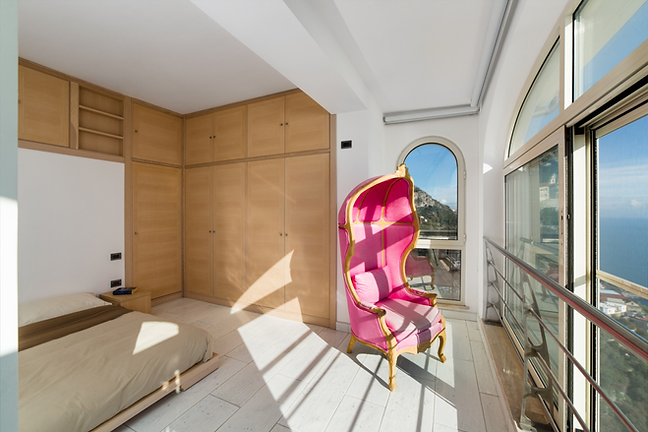
Questions we are often asked about house refurbishment in Chelsea
Do I need planning permission for a refurbishment in Chelsea? Very likely, even for works that would not require it elsewhere. RBKC's conservation area designations cover large parts of Chelsea, and the borough applies planning requirements strictly. We advise on what your specific property requires before any work is committed.
How does listed building consent work in Chelsea? If your property is listed, any works that affect its character — including many interior works — require listed building consent from RBKC's conservation team. This is separate from planning permission and has its own application process and timeline. We handle this directly and have experience presenting cases to conservation officers.
How long does a full house refurbishment in Chelsea take? The planning and consent phase typically runs 3 to 6 months before works begin. Construction takes between 6 and 18 months depending on scope. We establish a realistic programme at the outset.
Can you manage a Chelsea refurbishment if I am based abroad? Yes. Remote client management is something we have direct experience with. We provide regular structured updates and make site decisions when they need to be made, so the programme is not dependent on the client's physical presence.
Tell us about your Chelsea refurbishment
If you are planning a full house refurbishment in Chelsea — at any stage from early thinking to a project already under way — we would like to hear about it.
A short message about the property, where it is, and where you are in the process is enough to begin.
Or email us directly at contact@bd-phase-zero.co.uk
Download our free guide
10 questions to ask before commissioning a listed building refurbishment — straight to your inbox.