
Listed Building Interior Design, Chelsea
Chelsea has one of the most architecturally significant residential stocks in London. It also has one of the most demanding planning environments. A large part of the borough sits within designated conservation areas. Many of its finest properties — Georgian townhouses, Victorian and Edwardian terraces, converted mansion blocks — carry listed status.
That combination creates a particular kind of project. One where the design decisions are inseparable from the planning and consent process, where the building's history is both a constraint and an asset, and where the studio you appoint needs to understand all of it before a single thing is changed.
Phasezero Design Studio works with listed properties and conservation area buildings across Chelsea and the Royal Borough of Kensington and Chelsea. We start with a thorough reading of the building — what it is made of, how it was built, what has changed, and what those changes mean for the work ahead — and carry that understanding through from consent to completion.
We start with the building. Not the brief.
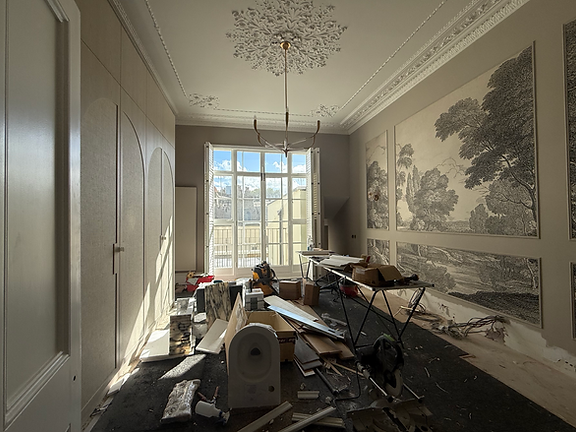
Listed buildings in Chelsea: what your project involves
The RBKC planning environment The Royal Borough of Kensington and Chelsea operates one of the most rigorous planning regimes in the country. Works that would be permitted development in many other boroughs routinely require full planning permission in Chelsea. Conservation area designations cover much of the residential fabric, and the borough's conservation officers apply their requirements carefully. A studio that has not worked within this environment before will encounter delays an experienced practice avoids.
Listed building consent Any works that affect the character of a listed building require listed building consent from RBKC, in addition to any standard planning permission. This is a separate process with its own application, timeline, and standards. The consent application needs to explain clearly what the proposed works are and why they are appropriate for the building. The quality of that case directly affects how the process goes.
Conservation officer engagement Listed building consent applications go more smoothly when the conservation officer has been engaged early — before formal submission, before anything is committed. We handle that conversation directly. It is one of the places where experience with Chelsea's planning environment makes the most practical difference.
Material compatibility Listed buildings require materials that are compatible with the existing fabric in terms of breathability, thermal performance, and visual character. Many of Chelsea's buildings are limewashed masonry, timber-framed sash windows, and original plasterwork — materials with specific behaviours that affect every decision around specification. Using incompatible materials, even on minor interventions, can cause lasting damage and complicate future consent applications.
Structural discoveries during works Chelsea's Victorian and Edwardian terraces were built to a high standard, but they are now between 100 and 150 years old. Period buildings reliably produce surprises during works. A floor structure more compromised than the survey indicated. Services that have been modified without record. Party walls that have been altered informally over the decades. Managing these discoveries quickly and correctly is what keeps a project on track.
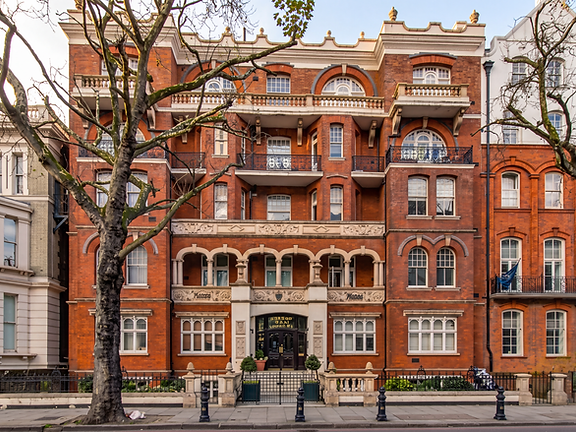
How we approach listed building projects in Chelsea
Every project begins with a building audit. Before any design decisions are made, we read the fabric: the construction period, the materials in use, the condition of what exists, and the history of alteration. In Chelsea, that reading almost always reveals conditions that a less careful approach would encounter later, at greater cost.
From that reading, we develop a design position that works with the building rather than against it. What can change without loss. What should be preserved. What the relationship between new work and existing fabric needs to be. That position becomes the basis for the consent application and the design brief simultaneously.
We carry the project from that initial reading through planning and listed building consent, interior design, material specification, contractor management, and completion. One studio. One consistent set of decisions. Nothing lost between disciplines.

Relevant experience
Pimlico Apartment, London
A Grade II listed Victorian apartment near Victoria Station. Full interior design, listed building consent, and project management — including a structural discovery during the master bathroom strip-out that required immediate coordination with the listed building authority, building control, and the leaseholder. Resolved without impact on the programme.
Chelsea's listed properties share the same planning environment and the same period building fabric as Pimlico. The decisions that project required — design and regulatory, at the same time, under time pressure — are the same decisions a Chelsea listed building project demands.
[View the Pimlico Apartment project]
Historic restoration, southern Italy
Phasezero has worked on historic buildings internationally, including restoration work on a property on the Amalfi Coast involving period fabric, traditional construction methods, and conservation-informed material specification throughout.

The clients we work with
The clients who commission listed building interior design in Chelsea tend to have purchased carefully. They have found a building with real architectural character — a Georgian townhouse in the King's Road conservation area, a Victorian terrace in Chelsea Green, a mansion flat in a converted period building — and they want it designed by a studio that understands what makes it worth caring about.
Some arrive early, before exchange, wanting to understand what the design and consent process looks like. Some have owned the property for years and are ready to carry out the work they have been planning. Some have a specific problem — a planning refusal, a failed previous intervention, a structural issue — and need a studio to come in and resolve it properly.
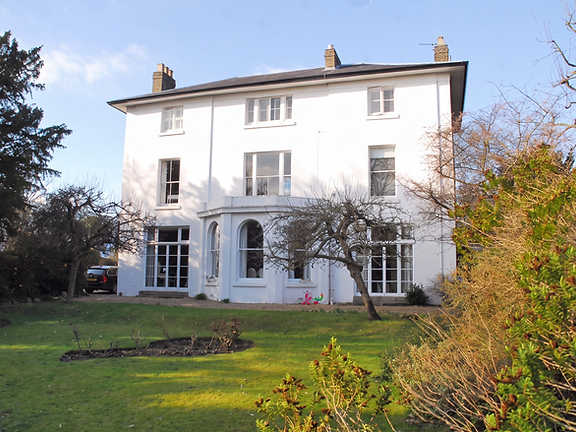
Questions we are often asked
Does interior work in a Chelsea listed building need consent? It depends on the works and what they affect. Any alteration that has an impact on the character of the building — including many interior interventions — requires listed building consent from RBKC. We can advise on what your specific project requires before anything is committed.
How does RBKC treat listed building applications? Carefully. The borough's conservation officers are experienced and consistent. A well-prepared application that demonstrates a thorough understanding of the building and the proposed works tends to move predictably. A poorly prepared one tends not to. We prepare the application and manage the relationship with the officer directly.
Can modern materials be used in a Chelsea listed building? Yes, in many cases. The question is whether they are compatible with the existing fabric and appropriate to the building's character. Modern materials are not automatically refused. Materials that would damage the historic fabric or read as incongruous are.
How long does listed building consent take in Chelsea? Standard consent takes eight weeks from validated application to decision. Pre-application engagement with the conservation officer, which we handle as standard, reduces the risk of delays or requests for further information at that stage.
What if something unexpected is found during works? It often is, in period buildings. What matters is having a team that can assess the situation, engage the relevant authorities, and make the right decisions quickly. We have managed exactly this. It is part of the work.
We work across London's prime residential boroughs
We work across London. If you are based in one of these neighbourhoods, we have written specifically about what listed building work involves there.
Free guide: Working with a listed building
If you are trying to understand what listed building consent involves, what to ask a design studio before you appoint them, and how to avoid the most common problems, we have written a short guide that covers the essentials.
Or email us directly at contact@bd-phase-zero.co.uk